
Two towns, one bridge apart, with completely different catering logistics. What we've learned working both sides of the Intracoastal.
We are based in West Palm Beach, which means most of the weddings we cater are within half an hour of our kitchen. It also means we have learned the hard way that the island and the mainland are two different catering problems, and that the bridge between them is a logistics question, not a scenic detail.
This is what we tell couples who are getting married here, before anyone talks about the menu.
The island is a different job
Palm Beach proper is a barrier island. Everything arriving for your wedding — the food, the equipment, the staff, the rentals, and the flowers — crosses the Intracoastal Waterway on one of the bridges to get there. On a Saturday afternoon in season, that crossing is not a formality.
What it means practically:
- Load-in windows get built backwards from the bridge, not from the venue. A caterer who has worked the island will pad the schedule for it. One who has not will be sitting at a raised span with your hot boxes in the truck.
- Parking and staging are genuinely constrained. Some properties have a service entrance and a place to put a truck for four hours; some emphatically do not. Ask before you book, not after.
- Private clubs and historic properties often have their own rules about vendor access, uniform, arrival times, and what may be brought on site. These vary property to property and they are not negotiable on the day. Get them in writing early and hand them to your caterer.
- Several island venues have beautiful rooms and modest kitchens. That is not a flaw, but it changes what can be plated at scale and it should change your service style before it changes your menu.
West Palm Beach: more room, more choice
The mainland side is where most of the flexibility lives. Downtown and the waterfront have event spaces at a range of scales, the historic neighbourhoods have properties with real gardens, and there are raw and industrial spaces that will let you build the wedding from nothing.
Raw space is worth understanding before you fall in love with it. A blank room is the most creative option available and the most expensive way to serve dinner, because everything a kitchen normally provides has to arrive on a truck: ovens, hot boxes, prep tables, refrigeration, power distribution, water, and often the lighting over the food line. It is completely doable — we do it regularly — but the number on the proposal reflects it, and the couples who are happiest with a raw space are the ones who knew that in month one.
Season, and what it does to your date
Palm Beach runs on a season. Roughly November through April the weather is the best argument Palm Beach has, the population swells, and the calendar fills. May through October is hotter, wetter, and much quieter — which cuts both ways.
- In season, November to April
- Reliable weather, comfortable outdoor evenings, and the widest choice of venues at their best. Also the most competition for Saturdays, the most vendor conflicts, and the least negotiating room. Book earlier than you think you need to.
- Shoulder months, May and October
- Often the sweet spot. Still warm, meaningfully less contested, and vendors have time to give you. Weather is a real variable rather than a formality, so the rain plan has to be genuine.
- Summer, June to September
- Heat and humidity are the design constraint, and afternoon storms are routine rather than exceptional. Hurricane season runs June through November, which means an outdoor summer wedding needs both a rain plan and a conversation about what happens in a genuine weather event. Plenty of beautiful weddings happen down here in July — indoors, or with a real tent, and with a menu built for the temperature.
Cooking for the climate
Heat and humidity are not a footnote here, they are a menu input. A few things we hold to for outdoor events in this county:
- Dairy-heavy passed bites and long outdoor cocktail hours are a bad pairing. There are better textures for a warm evening and we would rather use them.
- Anything with a delicate crisp element gets finished on site, close to service, or it surrenders to the humidity before it reaches a guest.
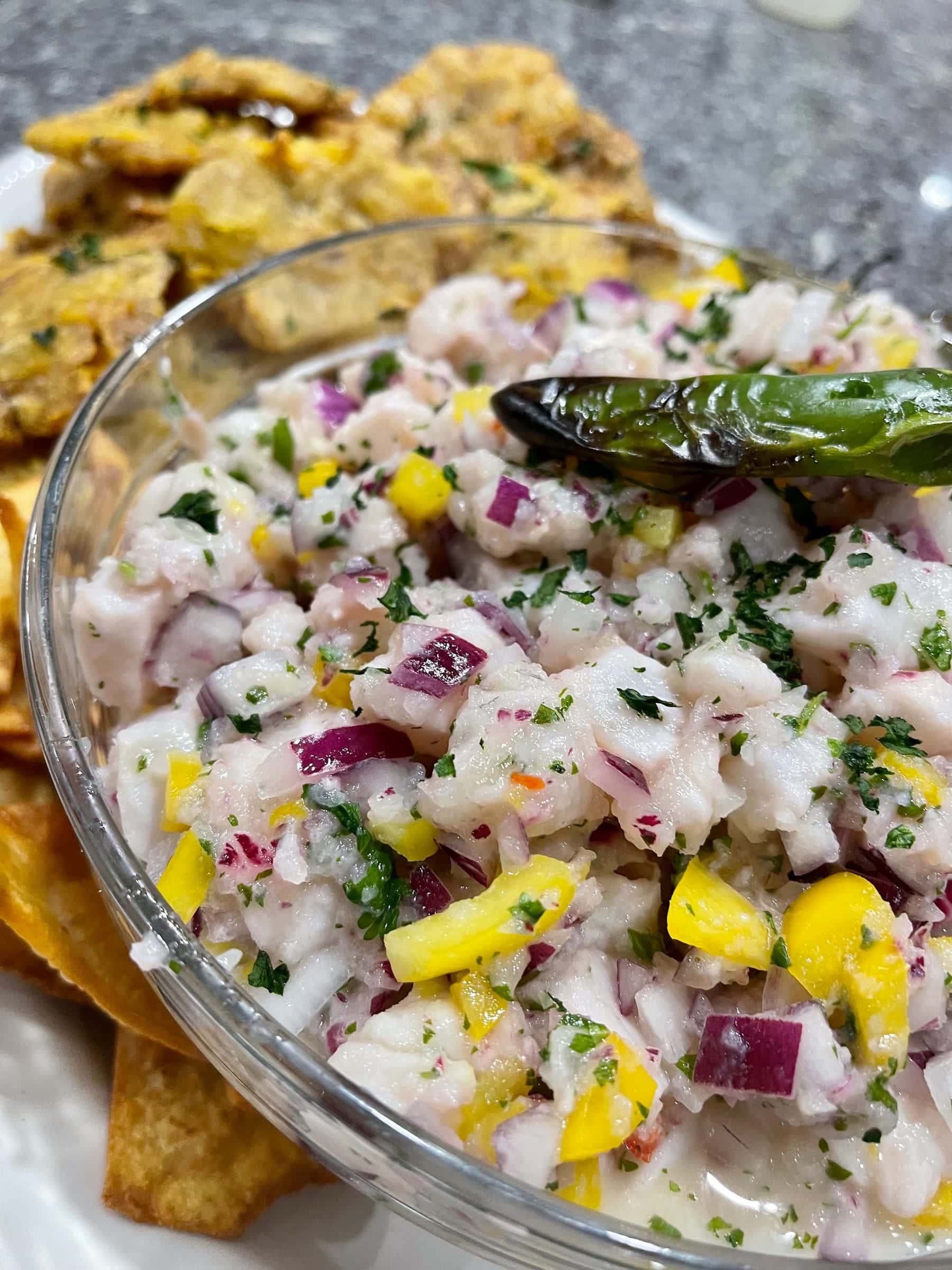
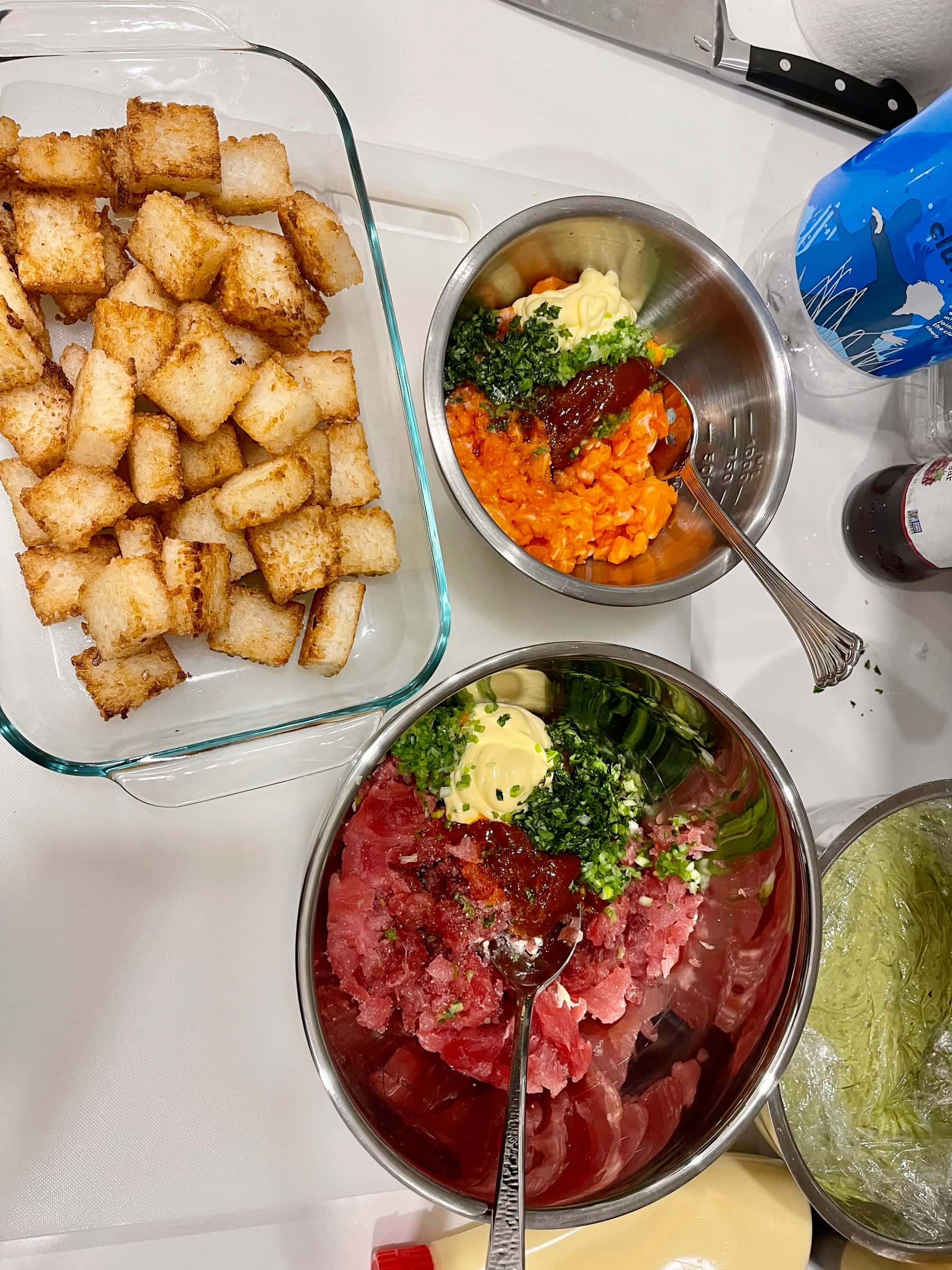
- Chilled and raw preparations — ceviche, tartare, a proper raw bar — read beautifully in this climate, but they need attentive replenishment and a real plan for ice. Unattended is not an option outdoors in August.
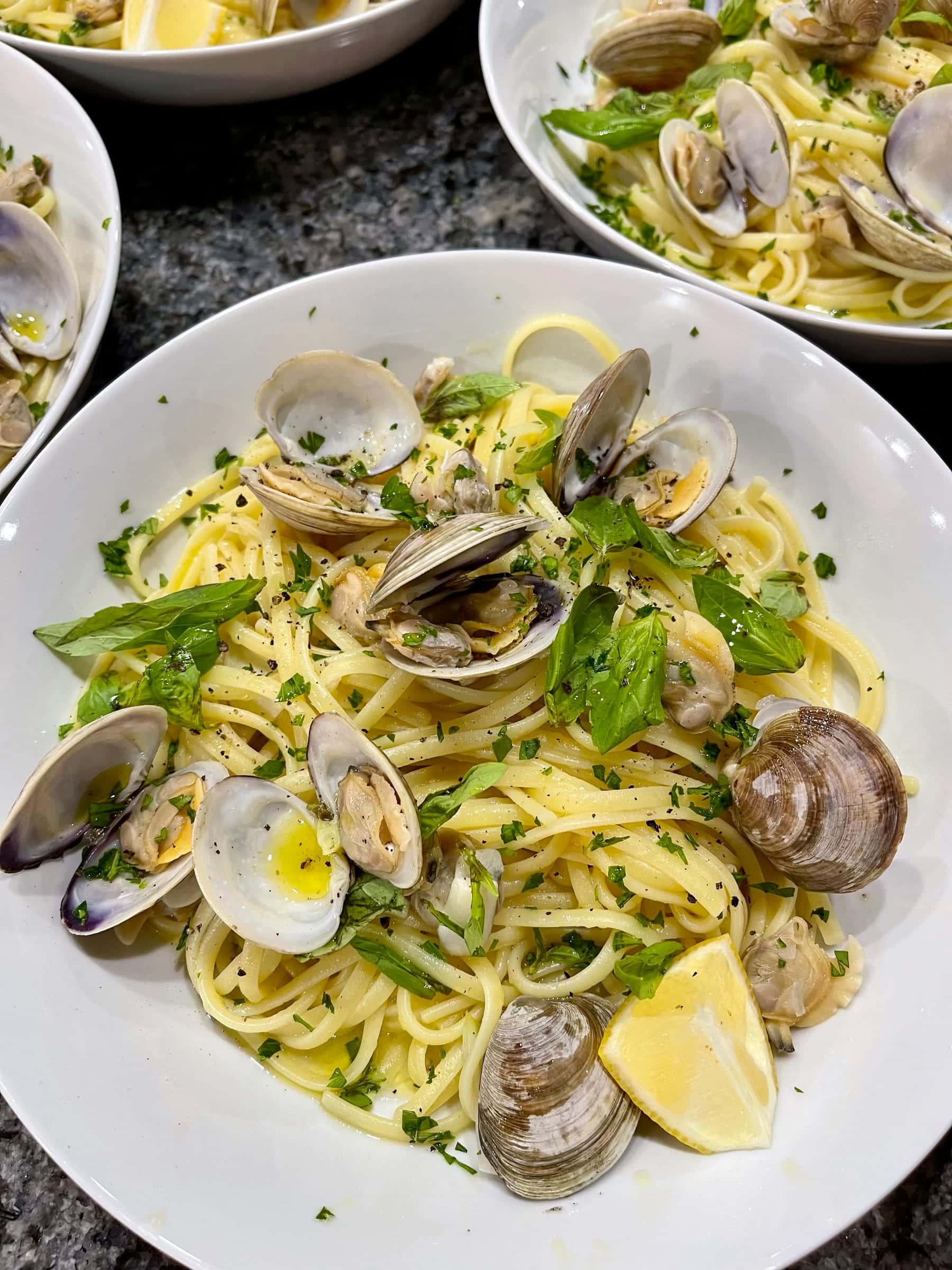
- Bright, acidic, citrus-forward food simply tastes better in this weather than heavy, cream-based food does. That is not a compromise, it is the local advantage.
Guests, and what they actually want
Palm Beach County weddings tend to bring together two crowds: people who live here, and people who flew in. That combination is worth designing for. Visiting guests want to eat something that tastes like where they have travelled to — Florida seafood, citrus, Latin and Caribbean influence. Local guests have eaten a great deal of standard event food and notice immediately when a menu has an idea behind it.
The menus that land best here usually do both: one or two dishes that are unmistakably of this place, and the rest cooked well enough that nobody thinks about the theme.