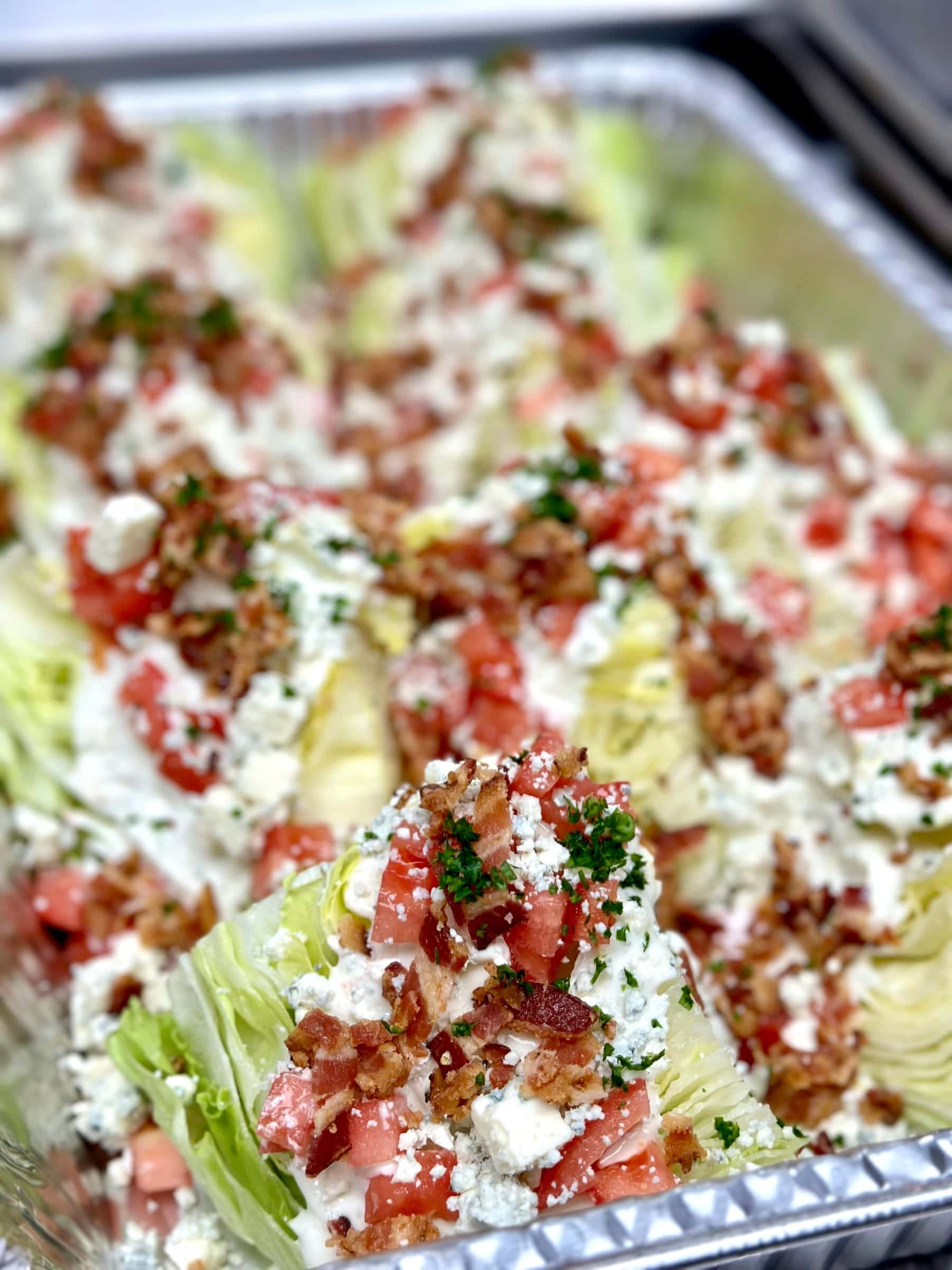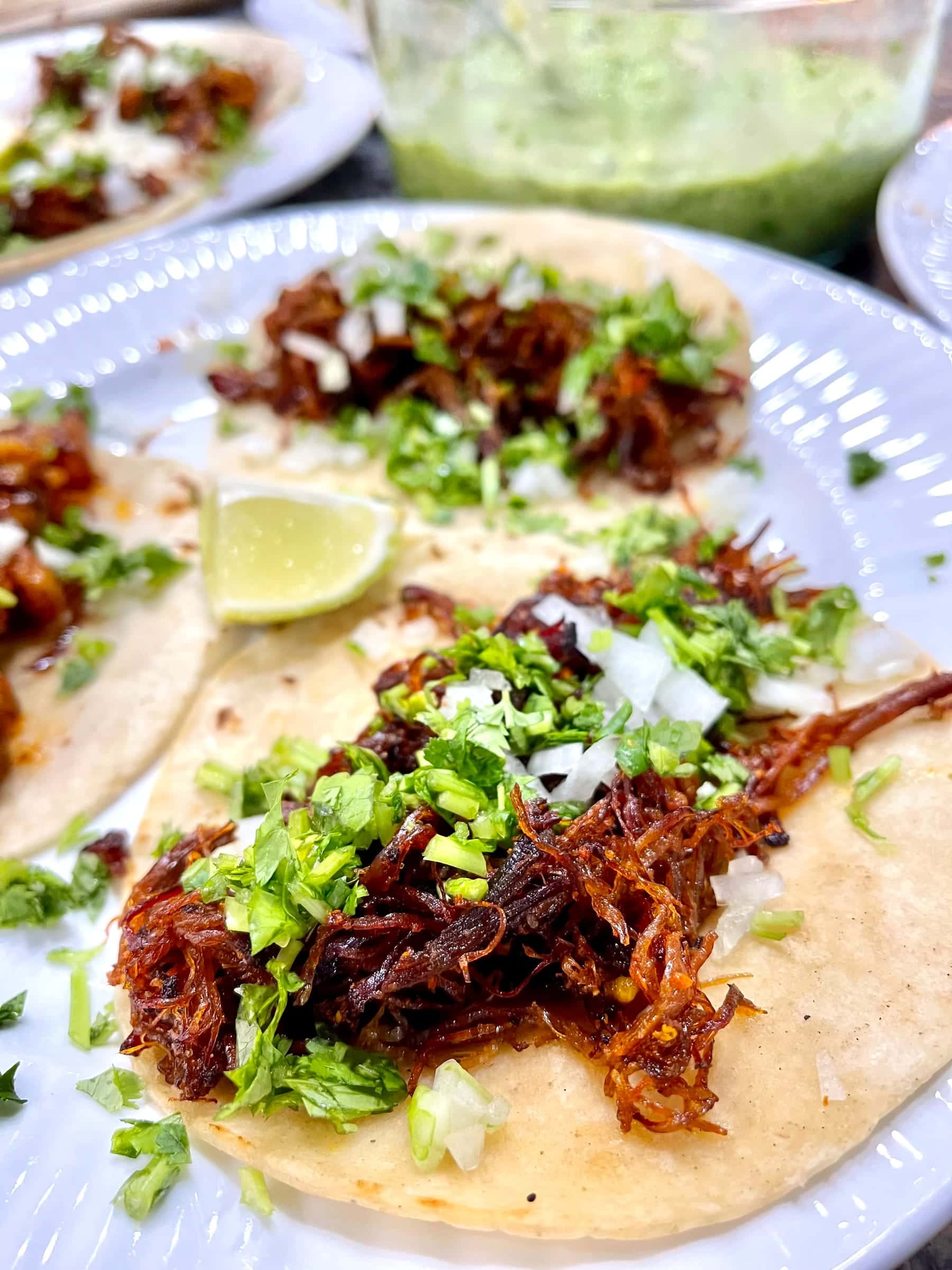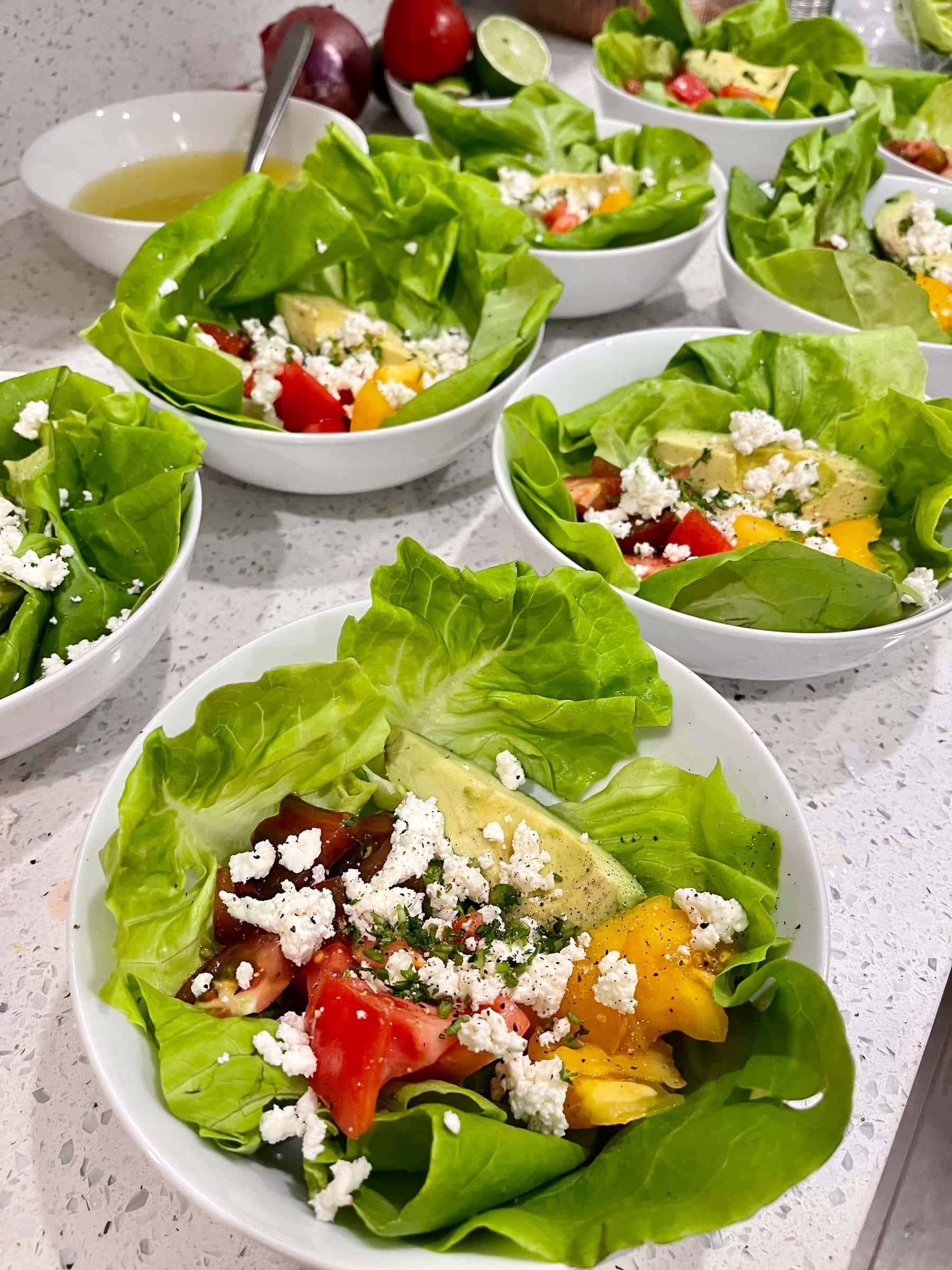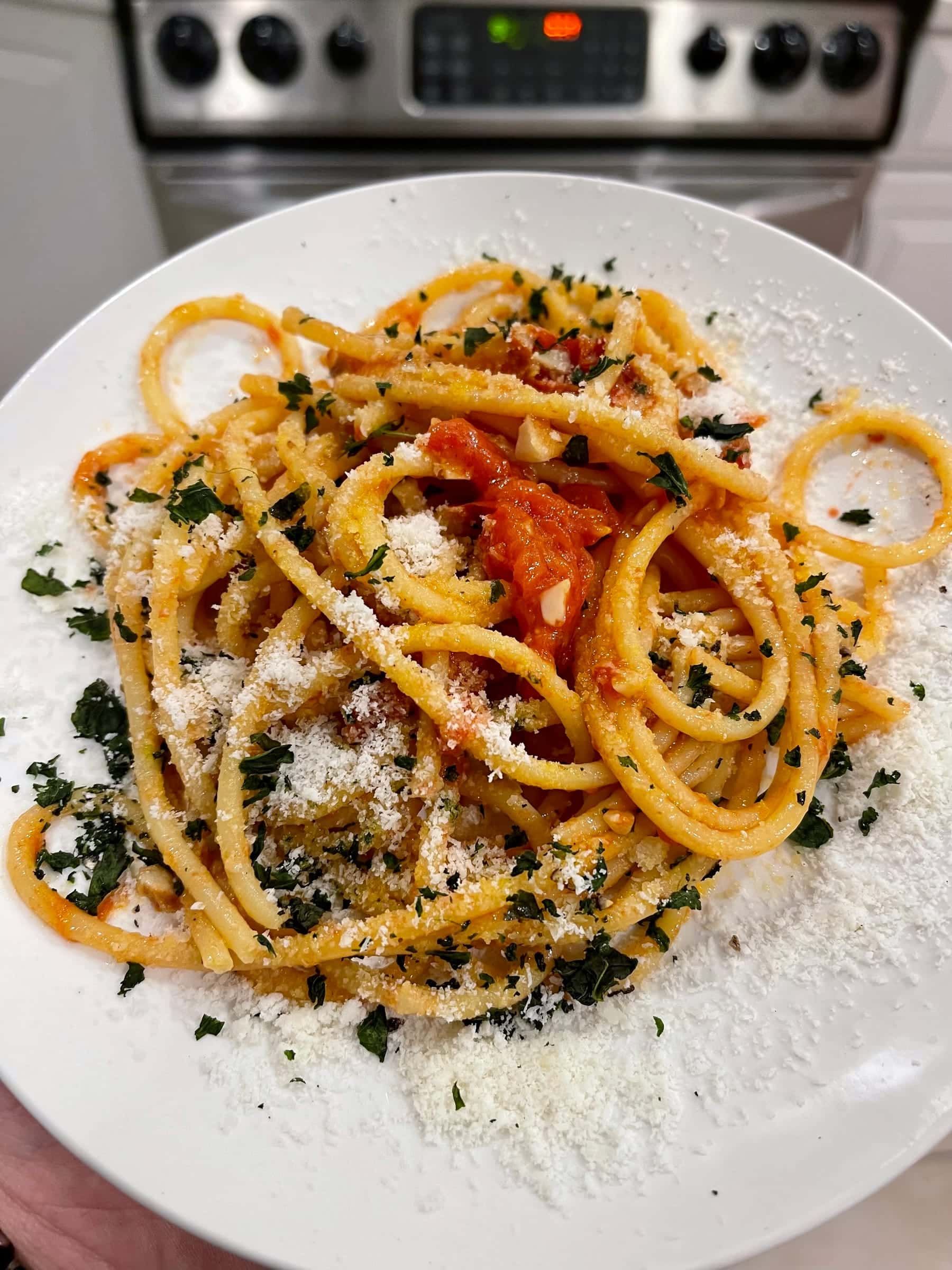

Trays delivered ready to serve — cooked the morning of, labelled, and arranged, with no staff to schedule and nothing to wash or send back.
Drop-off is the only thing we do where the food has to be good without us in the room. It leaves the kitchen hot, sits in a vehicle, gets carried through a lobby, and then waits on a table while a meeting runs twenty minutes long. How we cook it, what we cook, and how we pack it are all built backwards from that.
It is also the service people order most often, and the one they order again. We deliver across Palm Beach, Palm Beach Gardens, Jupiter, Wellington, and Boca Raton — offices, job sites, houses, clubhouses, and the occasional conference room with no table big enough for the trays.
What arrives, and how
We cook the morning of, pack hot food hot and cold food cold, and deliver on serving ware you never have to return. Setting the table out should take about five minutes, and it should be obvious what everything is without asking anybody.
- Trays of food, arranged in the order people should walk past them — mains, then sides, then salads, then anything with a sauce that drips.
- A serving utensil in every tray. A tray with no spoon in it becomes somebody's problem at twelve o'clock.
- Disposable plates, napkins, and cutlery if you want them. China, glassware, and linen are rentals, quoted on their own line rather than folded into the food.
- Labels on everything, including what is vegetarian and what carries an allergen somebody flagged.
- Written reheating and holding notes, for a home or office oven rather than a commercial one.
How to size the order
The most useful thing you can tell us is a headcount and what else those people are eating that day. Tray counts are our job, and getting them wrong in either direction is expensive — too little is a lunch somebody drives out for, too much is money in a bin at two o'clock.
- Half tray
- Roughly eight to ten people as a main course, or fifteen to twenty when it is one of several sides. This is the standard unit of an office order.
- Full tray
- About double a half — twenty or so as a main. Easier to keep hot than two halves, and it commits the whole tray to one dish, which matters more than people expect at a small headcount.
- Self-serve appetite
- People serve themselves more generously than a kitchen plates. Count about one and a quarter portions a head on a self-serve line, and more when lunch is the whole event rather than a break in the middle of one.
- Two mains, not four
- For twenty-five people, two mains and two sides read as abundance. Four mains is four half-empty trays and the same amount of money.
- Dressings and sauces
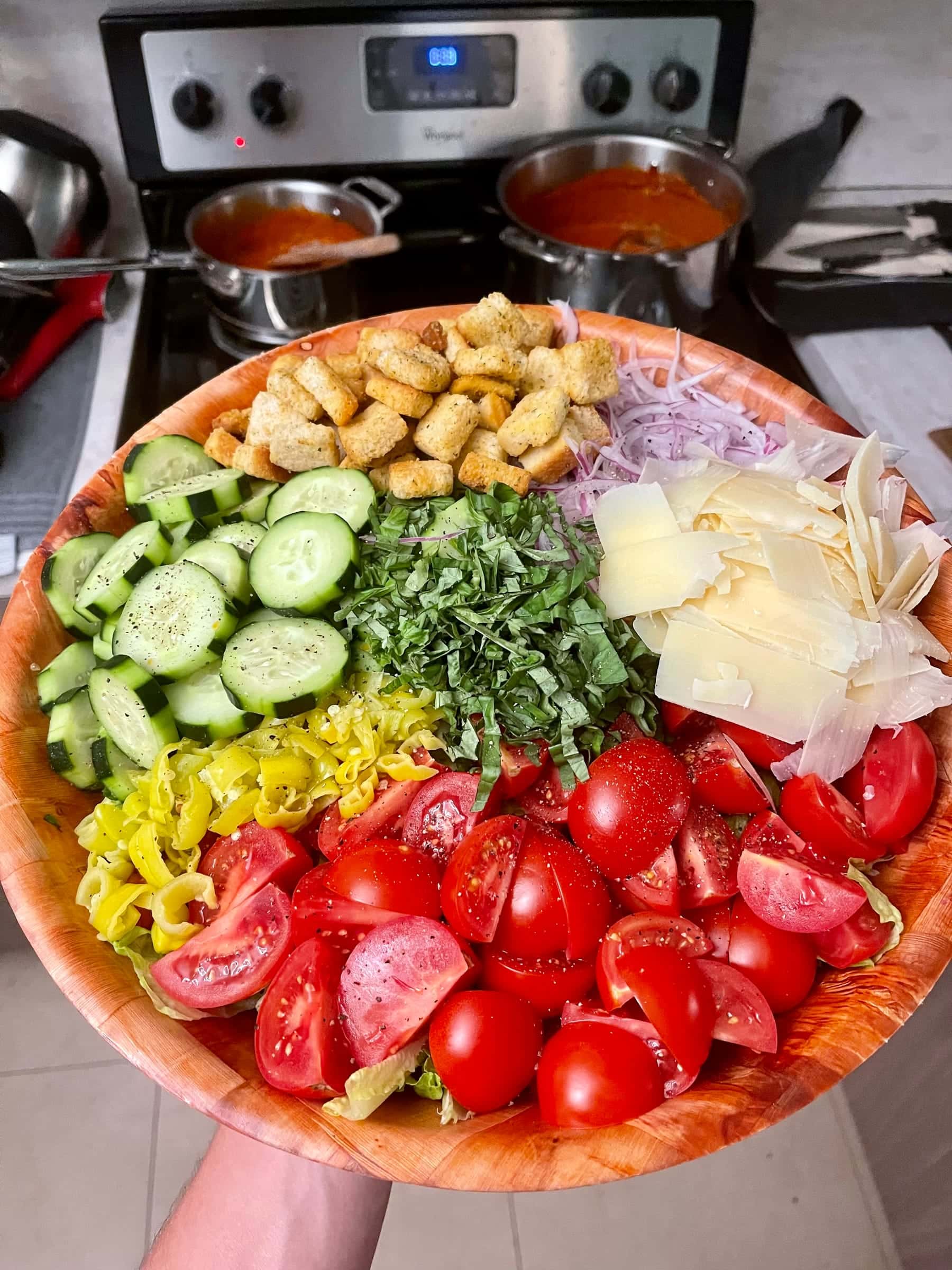
- Always packed separately. A salad dressed in our kitchen is a wilted salad by the time it is on your table, and there is nobody there to fix it.
What travels, and what does not
Transit is a cooking constraint like any other, and it is the one that decides a drop-off menu. Some dishes are better forty minutes after they leave a kitchen than they were on the stove. Some are ruined in ten, and no amount of packing fixes them.
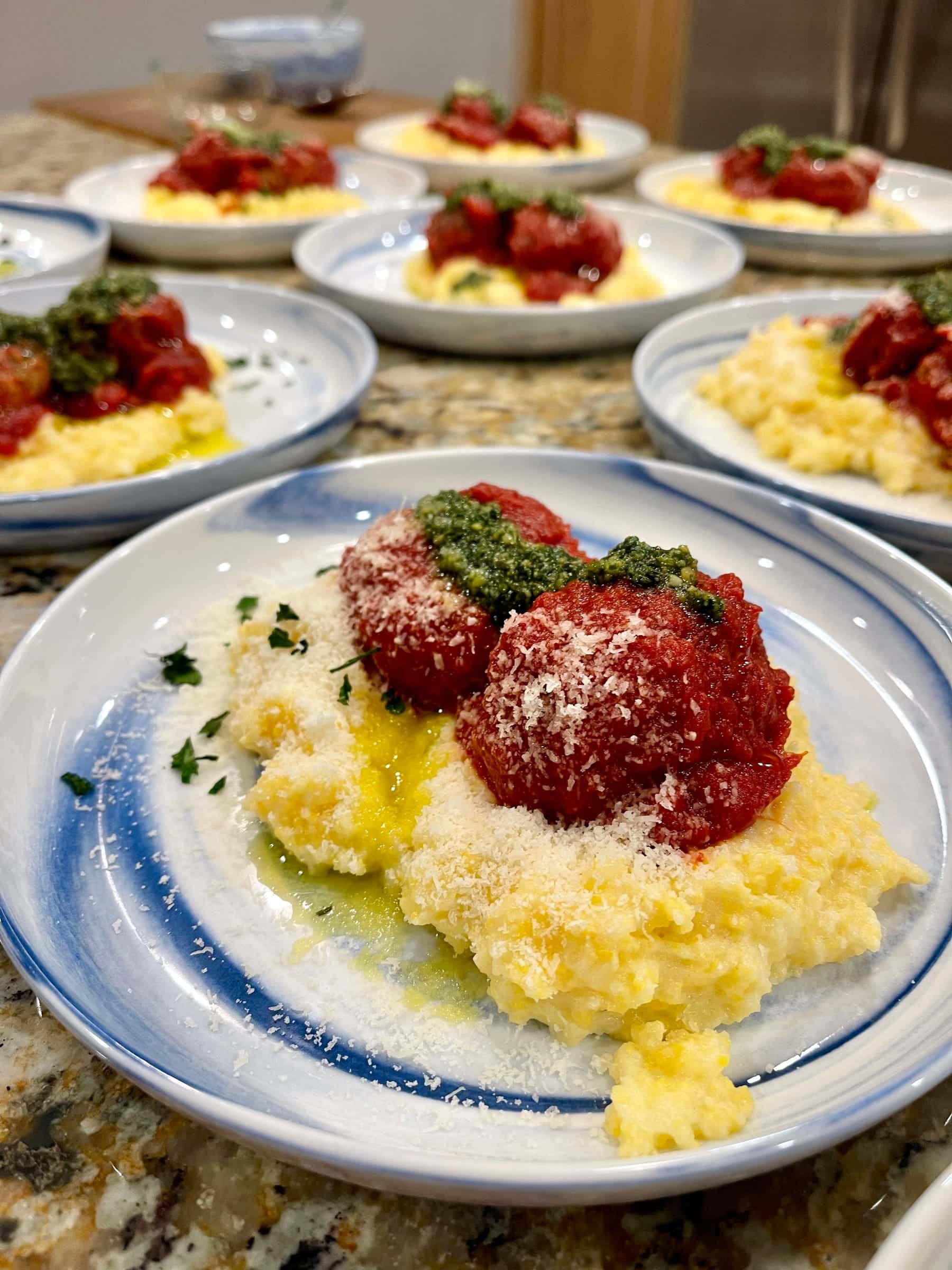
- Holds well hot: braises, roasts, saucy pastas, stews, rice and grain dishes, roasted vegetables — anything that finished cooking in its own liquid.
- Holds well cold: grazing boards, crudité, poke, ceviche kept properly cold, composed salads with the dressing on the side, and sandwiches and wraps built to be cut and stacked.
- Does not hold: anything whose whole point is a crust. Fried chicken, crisp cutlets, tempura, fries. They are excellent for eleven minutes and disappointing for the rest of their life in a covered tray.
- Does not hold: plated composition. If a dish needs somebody standing over it at the last second, it needs somebody standing over it — that is private chef or staffed catering, not this.
- Worth a conversation: seafood beyond shrimp and ceviche, anything that has to be served at a precise temperature, and desserts that depend on staying cold in an August delivery van.
Ordering, and the delivery window
A week is comfortable for most orders, and a few days is often enough for a small one. What fills first is the calendar around the food: holiday weeks, the Friday before a long weekend, and December in general. If your date is close, ask anyway — we would rather tell you no than deliver something we rushed.
When you order, give us the time people eat rather than the time you want the truck to arrive. We work backwards from that, landing early enough to set out and not so early that hot food sits waiting. Then tell us about the building: the dock, the desk that needs names on a list, the elevator that has to be booked, the gate code, the dog. Those are what turn an on-time delivery into a late one, and none of them is a surprise if we know in advance.
What no staff actually means
This is the part worth being blunt about, because it is the entire difference between drop-off and everything else we do. We deliver, and then we leave.
- Nobody replenishes. What is on the table is the meal. A tray that empties at 12:40 stays empty.
- Nobody plates or carves. Guests serve themselves, which is right for a lunch and wrong for a seated dinner where you want the room eating together.
- Nobody holds it at temperature. Chafing dishes and fuel can go on the order as a rental line, but somebody at your end lights them and watches the water.
- Nobody cleans up. Disposables go in your bin. Anything rented has to be collected, and we schedule that pickup with you rather than leaving it to chance.
- Nobody answers questions about the food. The labels do that, which is why we label everything.
So the test is simple. If the food only has to be good, drop-off is the right buy — you are paying for a kitchen and not for a floor. If the room has to be run, because there are speeches, or a seated dinner, or because you are the host and cannot spend the evening carrying trays, then you want staffed event catering. We would rather tell you that now than have you work it out at 7:15.