
A dinner service on the water: cooked ashore, composed on board, and built around what the vessel will actually carry. Dockside is the same night without the galley limits.
A floating supper is a full dinner service — courses, staff, real plates, styling — run on a boat, with a kitchen the size of a corridor or no kitchen at all. Almost nobody offers it, and the reason is not that the food is hard. It is that every decision has to be made before the lines come off the cleats, and a caterer who improvises has nowhere to improvise from.
We run these out of West Palm Beach and along the water from Manalapan to Jupiter — charter vessels, private boats, and the docks they leave from. The cooking is the part we already know how to do. The plan is the whole job.
The boat sets the menu, not the other way round
On land we ask about the venue before we ask about the food. On the water that question is the entire conversation, and it has one authority: whoever is running the vessel. Before we write a menu we want the boat, the marina, the departure time, and a way to reach the captain, because five things get decided there and none of them are ours to negotiate.
- Space
- A galley is a hallway with a sink in it. Counter is measured in inches, and every square foot we occupy is a square foot your guests are not standing in. There is no back of house — the prep surface is in the room with the party.
- Weight and balance
- Ice, water, equipment, and food are load, and load is the captain's problem before it is ours. If we are told a cooler stays on the dock, it stays on the dock, and the menu has to survive that sentence.
- Open flame
- Usually restricted, often prohibited underway. Plan for no live-fire finishing, no grill, and no oven we would trust to hold a temperature in chop. Anything that needs a flame gets cooked before we leave the kitchen.
- Power and fresh water
- Both are finite and shared with everything else running on the boat. We do not wash up on board — dirty service is bagged, sealed, and taken back ashore with us.
- One load
- There is no going back to the truck. What comes aboard is what exists for the rest of the night, down to the spare ice and the second serving spoon. Everything we pack is packed twice on paper first.
What actually works out there
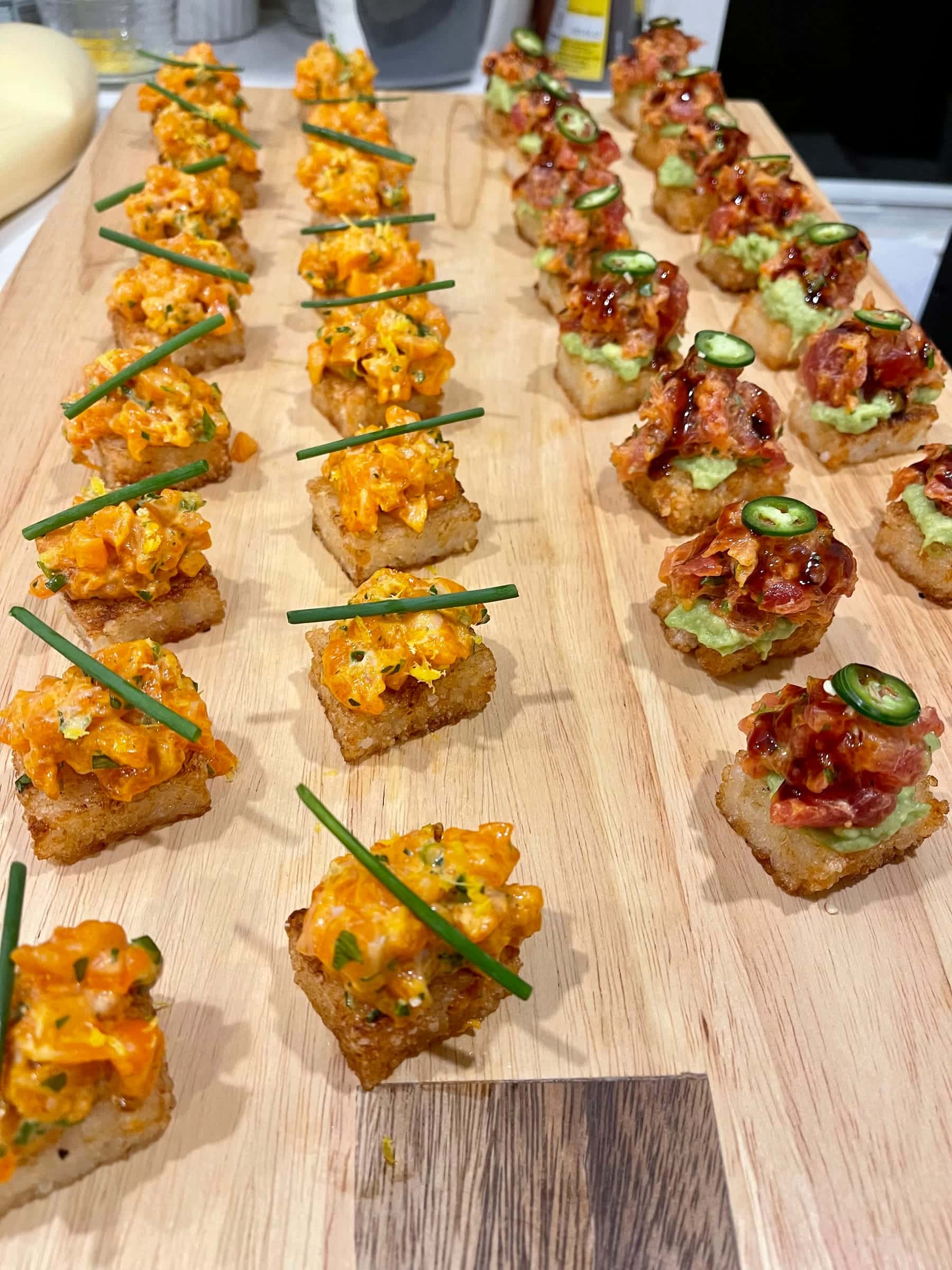
Those constraints all point at one kind of food, and it happens to be the food people want down here anyway. Chilled, composed, assembled rather than cooked. We cook and chill in our kitchen the morning of, pack in the order things are served, and finish on board with slicing, dressing, and garnish.
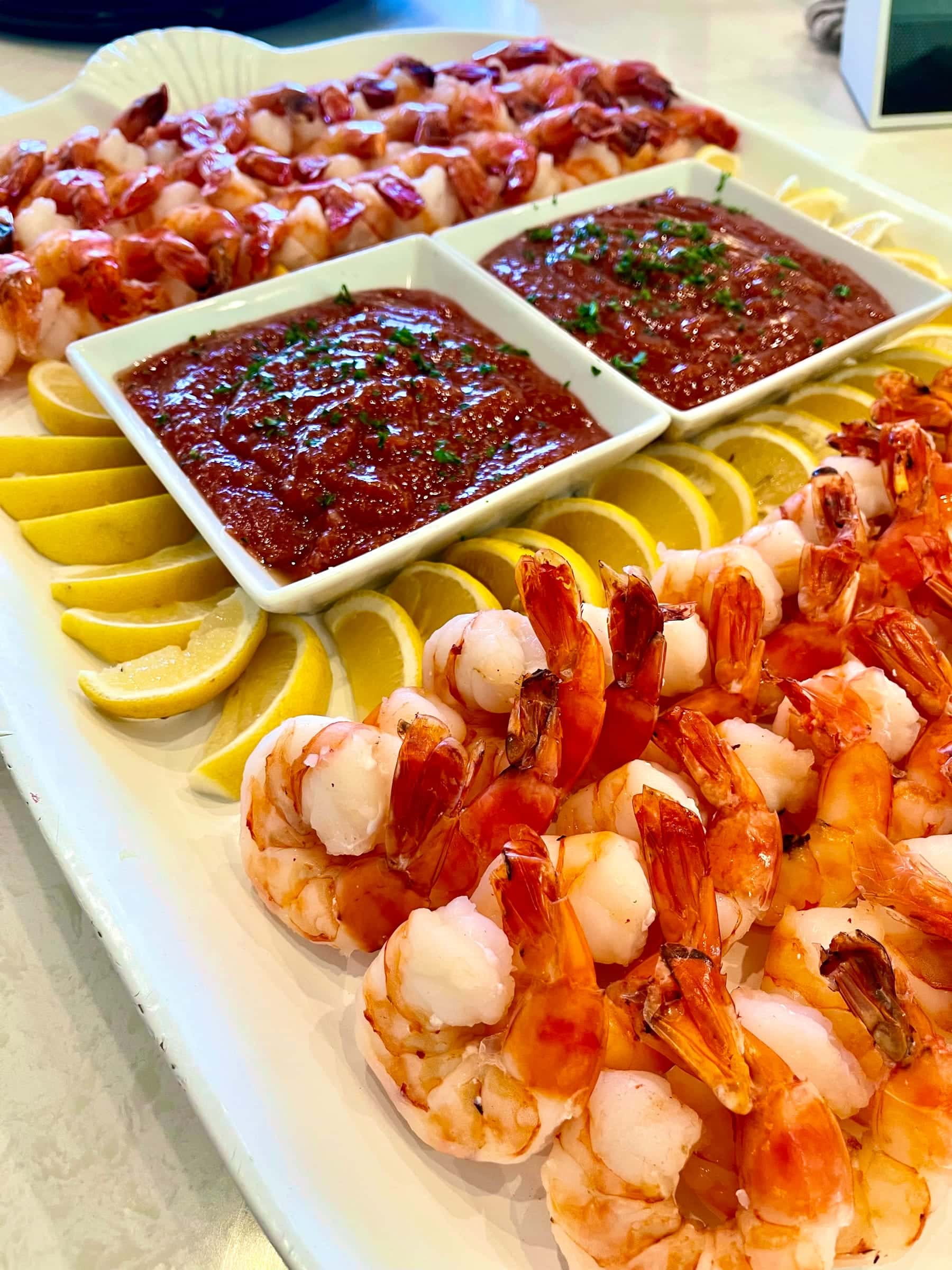
- Chilled seafood — shrimp, crab, and whatever the ice budget will carry. It is served at the temperature it is best at, and it does not mind that the boat is sitting at a bridge.
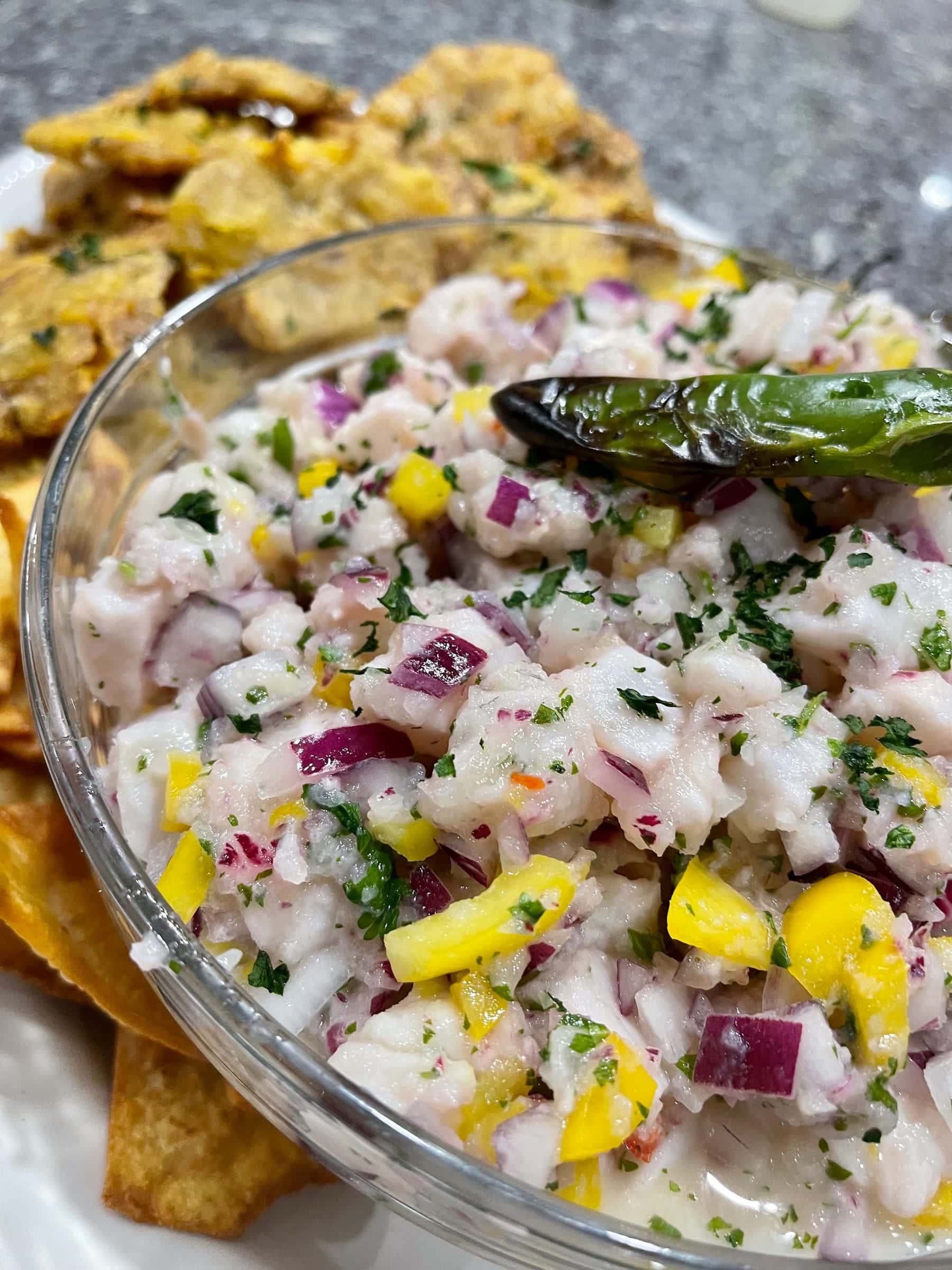
- Ceviche and tiradito, dressed on board rather than in the kitchen, so the fish is bright instead of cured to death by the time anyone eats it.
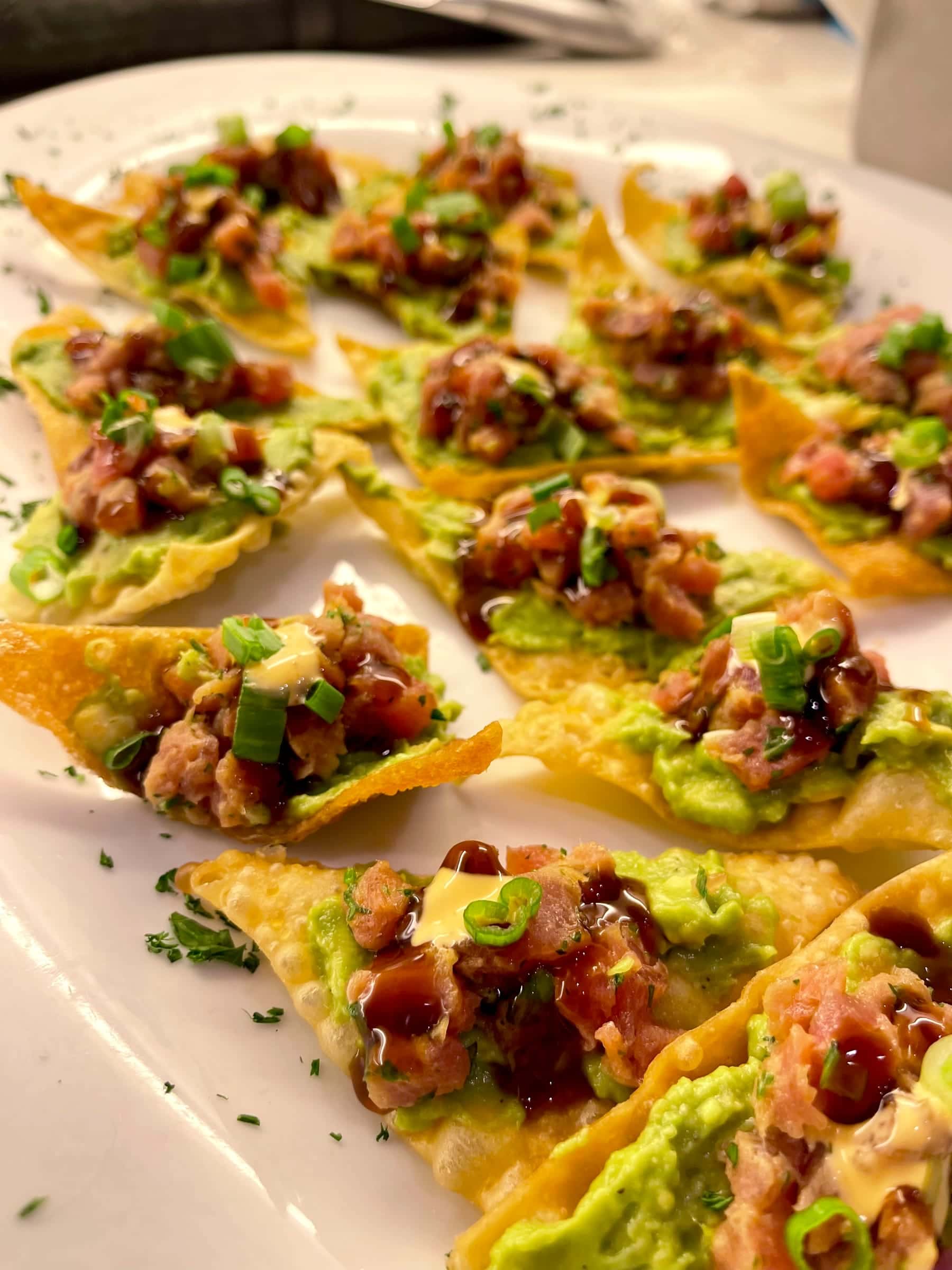
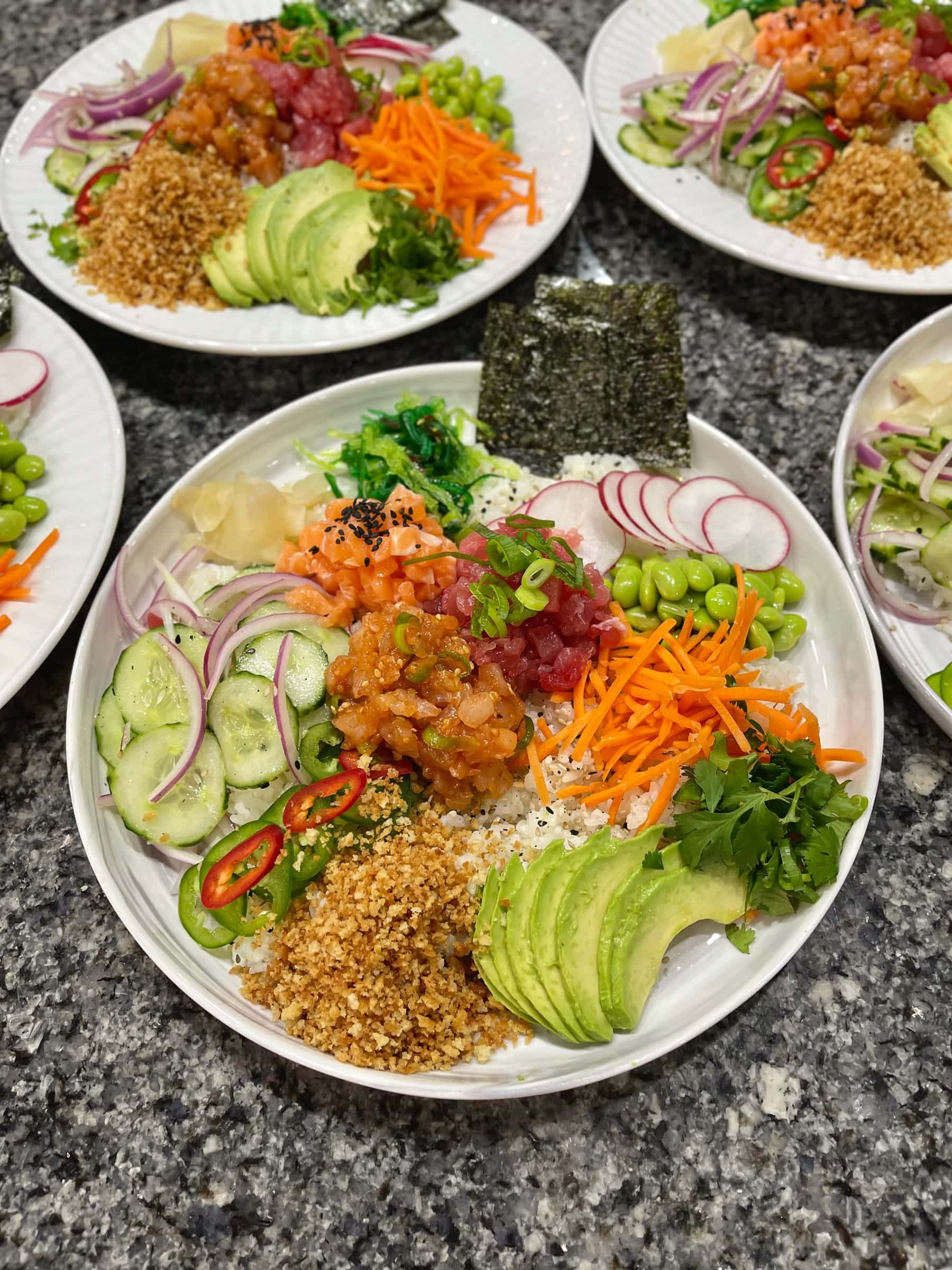
- Composed cold plates — tuna tostadas, poke, crudo, salads built one at a time on a board laid across two coolers.
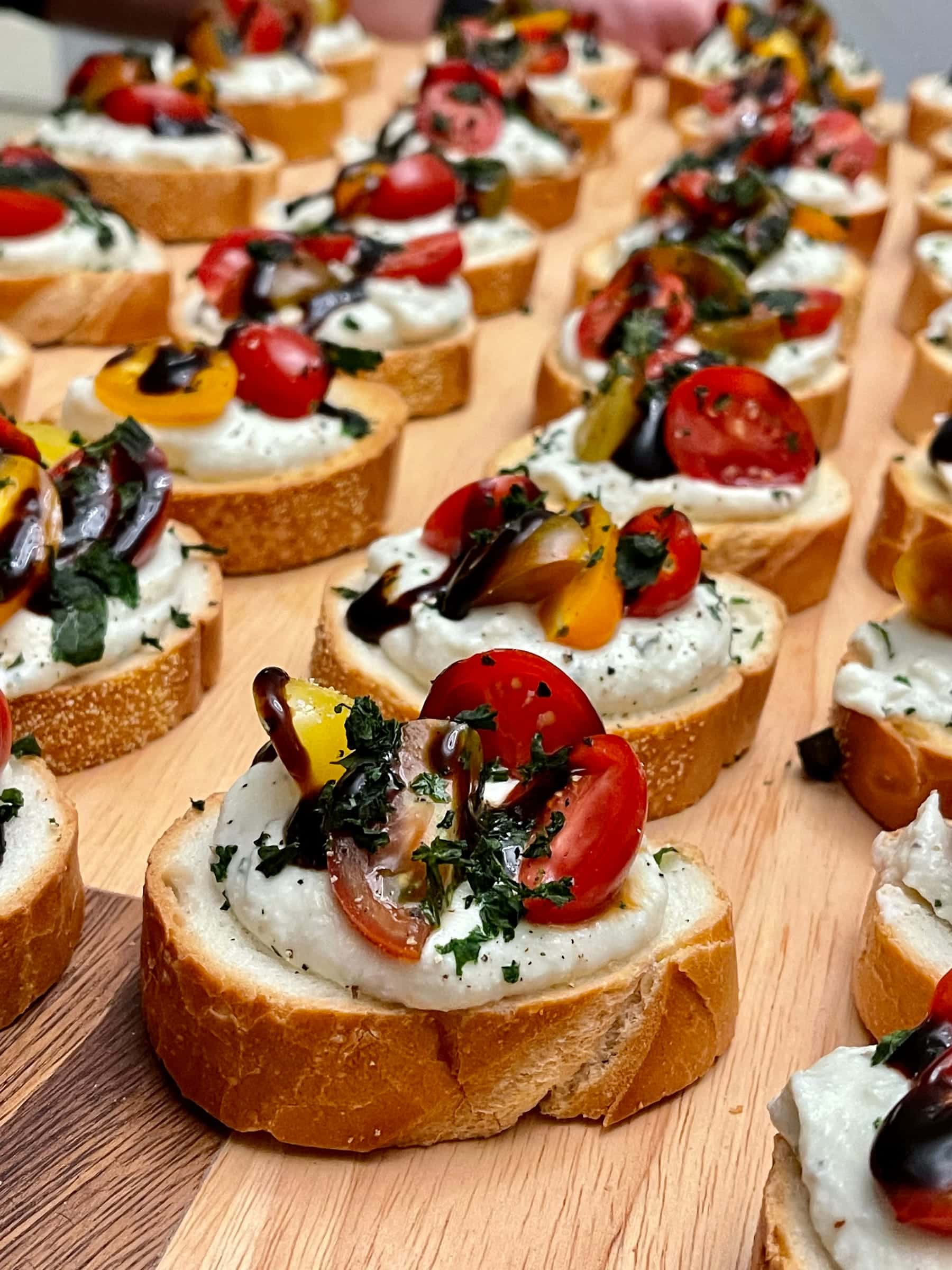
- Grazing and charcuterie, the most forgiving thing on a moving boat: nothing held hot, nothing plated all at once, and it reads as abundance rather than as compromise.
- Warm dishes that improve by sitting instead of degrading — braises, roasted vegetables, anything a hot box can carry for the length of the cruise.
- Dessert made ashore and cut on board. Nothing that needs a freezer, because there is not one.
Weather has a shorter fuse on the water
On land, rain is a tent conversation and the call can wait until the morning of. Out there the call comes earlier and it is not about comfort, it is about whether the vessel goes at all. Wind and chop close the window well before rain does, and a two-foot sea a captain would happily run through is not a sea anyone plates a course in.
So we build a floating supper with somewhere to land. The same menu, staged the same way, can be served at the dock or moved to a house without a redesign — nothing in it depended on a stove we were never going to have. Hurricane season runs June through November and generally announces itself days out. It is the ordinary afternoon squall that actually moves plans, and it usually moves them by a couple of hours rather than a week.
Dockside is the underrated version
A lot of people who ask for a floating supper want the picture of one: water, sunset, the boat, good food, and a toast nobody has to shout over an engine. Dockside gives them that and removes nearly every constraint above at the same time.
We cook and stage on land, set up on the dock or the deck, and serve at the slip with the boat as the backdrop of the room. Staffing behaves normally again — roughly one server per ten to twelve guests for a seated dinner, one per twenty on a buffet — instead of being capped by who fits on board. Hot dishes come back onto the table. Guest count stops being the boat's decision. Some hosts do both: dinner at the dock, then dessert and a cooler go out with the boat.
What we need from you before we quote
- The vessel and the marina — name, slip, and the departure and return times you have actually booked.
- A way to reach the captain or crew directly, so we can ask about the galley instead of relaying it through you.
- Head count, and whether that number already includes crew. It usually should.
- How long you are out, and whether guests will be seated, standing, or moving between decks.
- What the marina asks of vendors — gate access, load-in window, cart rules down the dock. Send us theirs and we will build the plan around them.