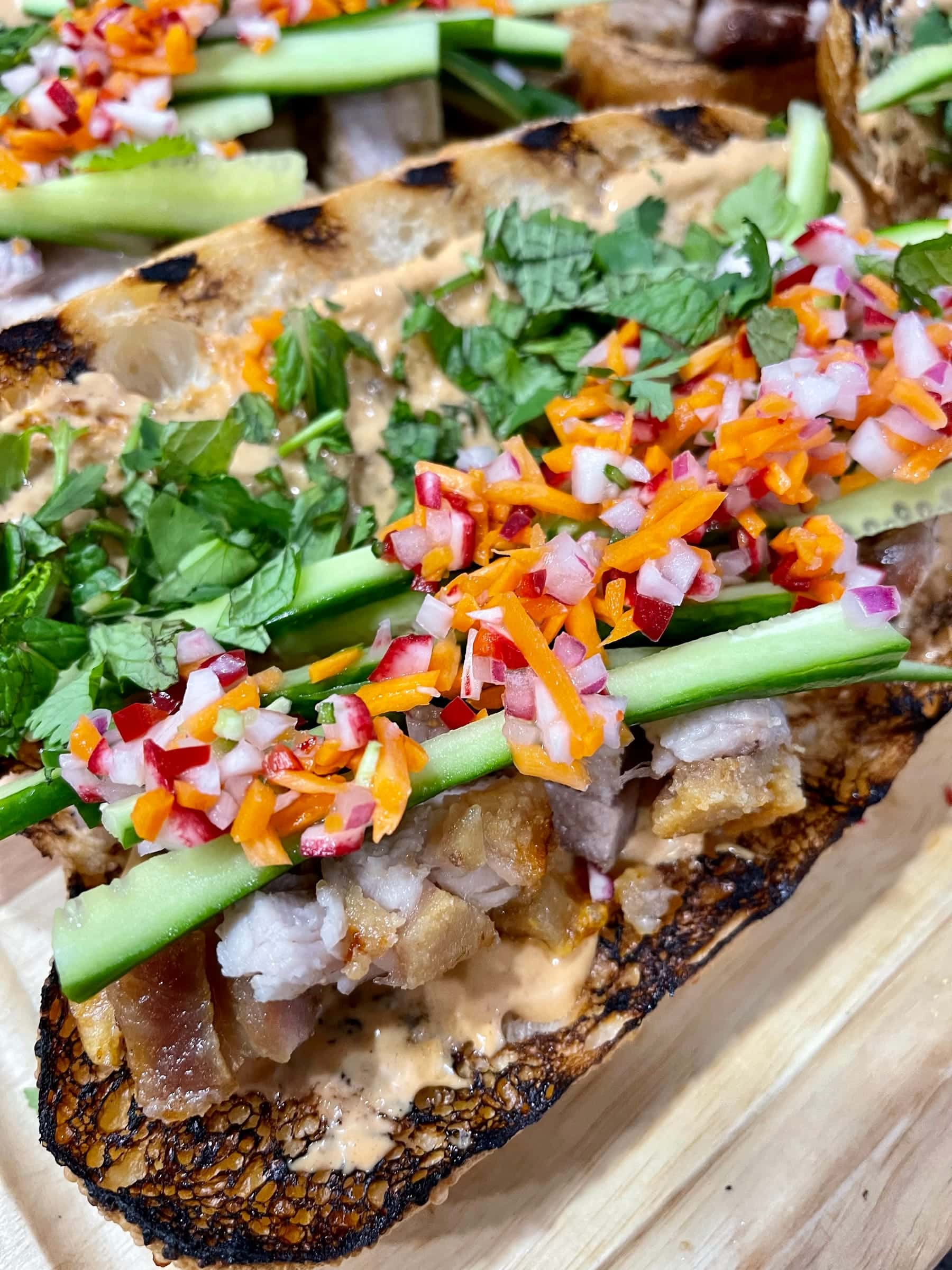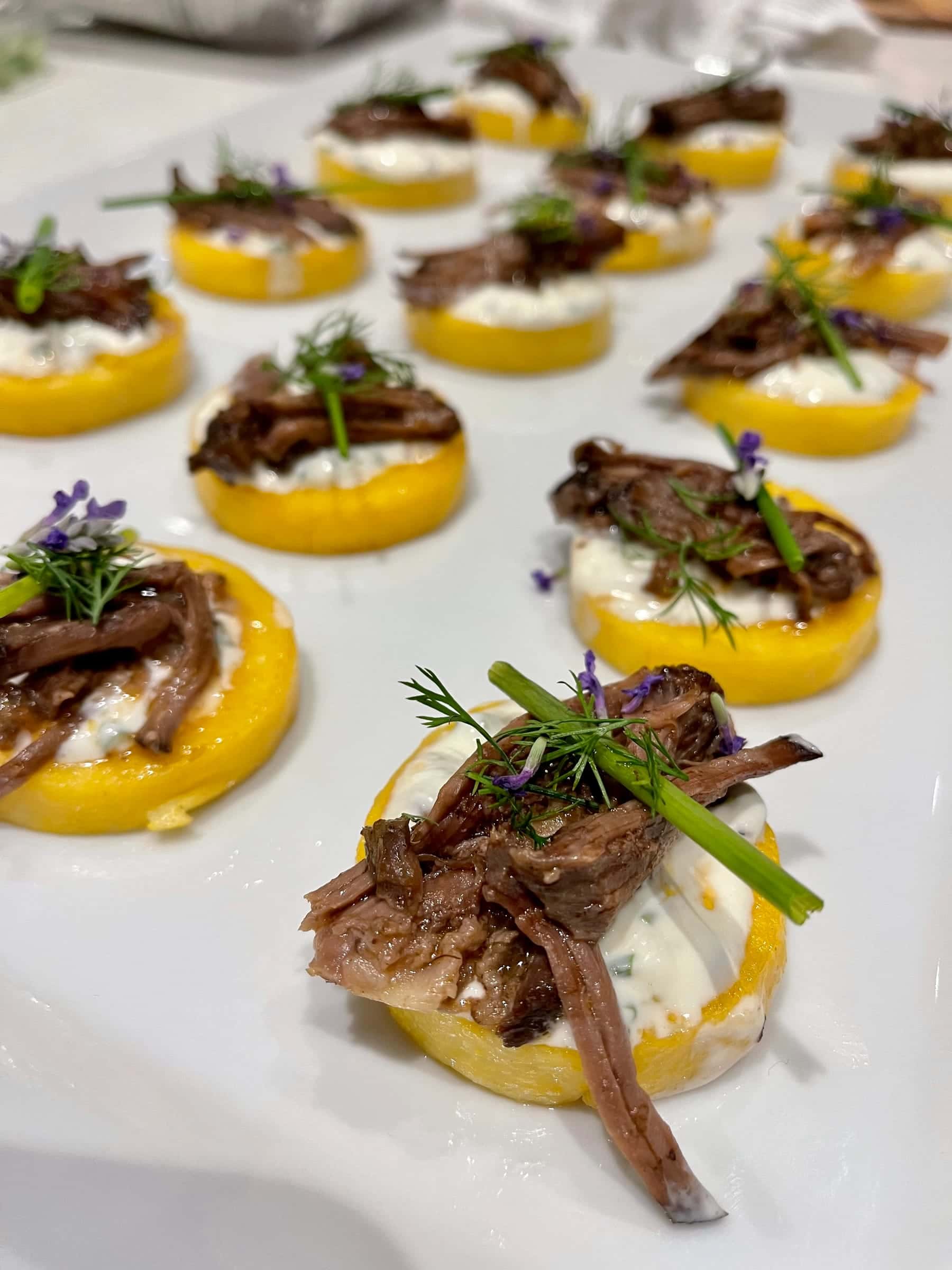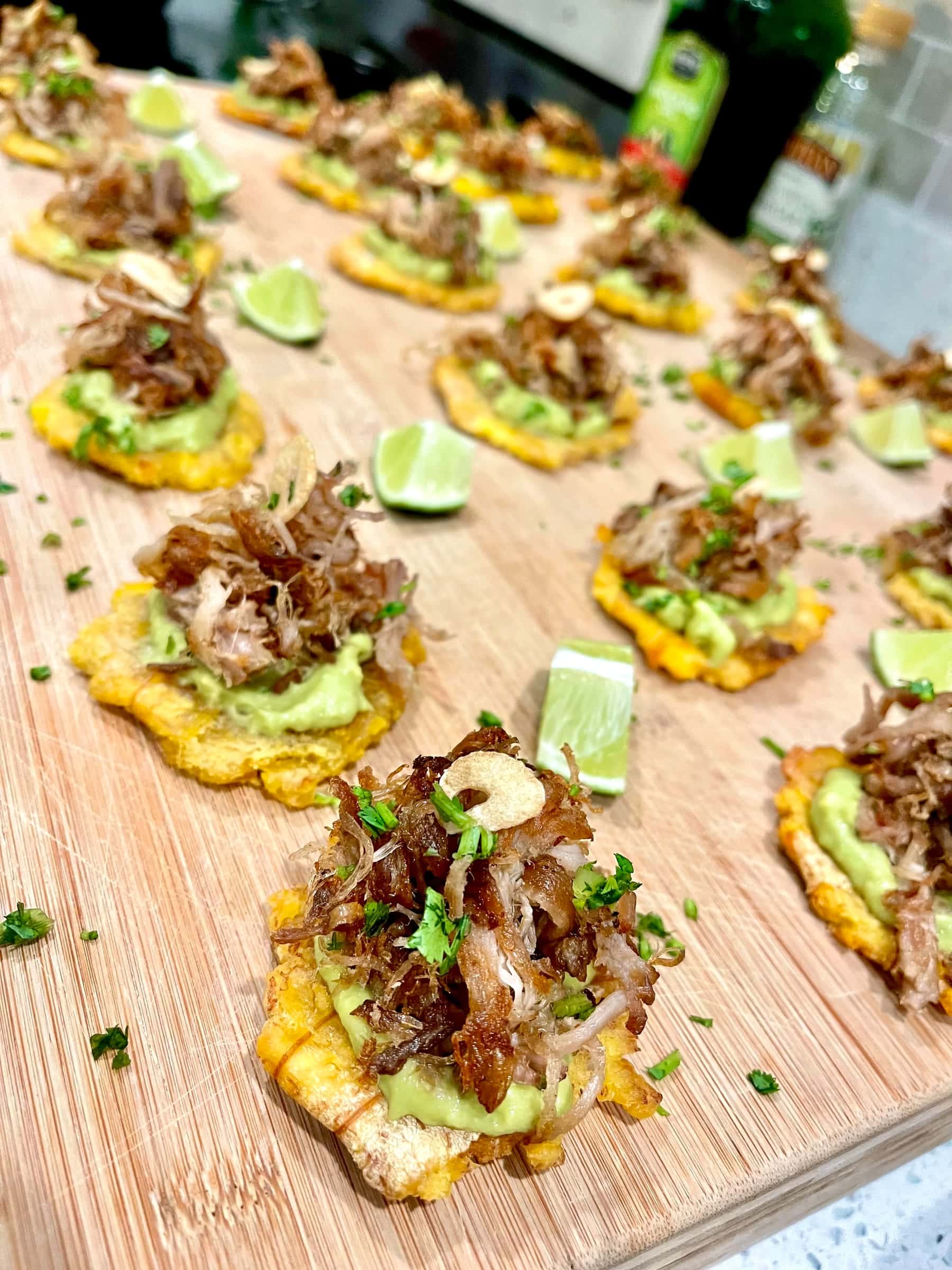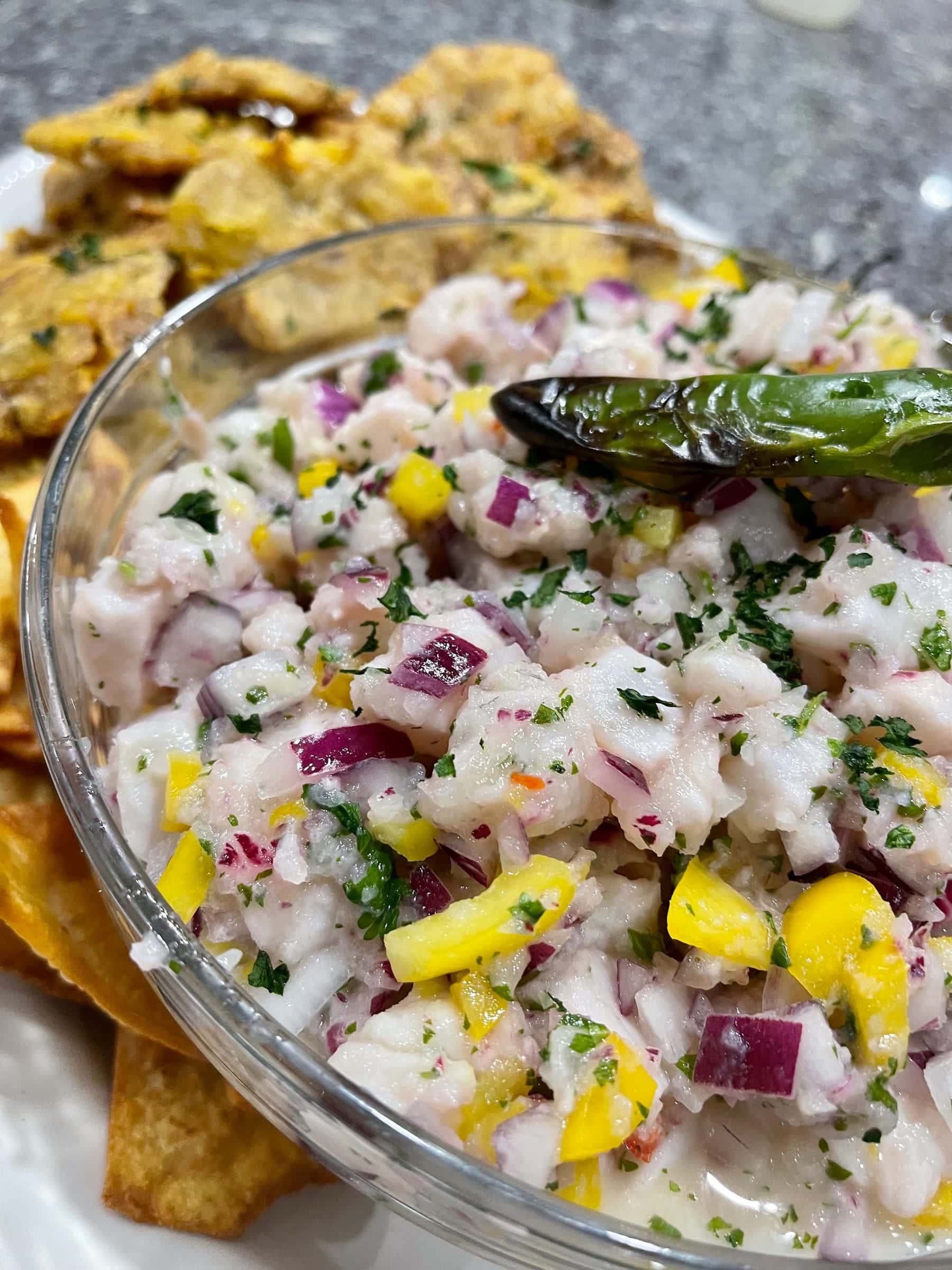

Full-service wedding catering with staff, rentals, and a menu designed around your venue — not pulled off a list.
A wedding is the hardest thing a catering kitchen does, and almost none of the difficulty is the cooking. It is getting 140 plates out of a tent at the same temperature, forty minutes after they were cooked, while a band sets up and the speeches run twelve minutes long. That is the job. The food is the part we already know how to do.
We cater weddings across Palm Beach, Palm Beach Gardens, Jupiter, Wellington, and Boca Raton — venue ballrooms, private estates, waterfront lawns, and rooms with nothing in them but a floor and a view.
The menu is built, not chosen
There is no wedding package on this page because there is no wedding package. Guest count, the venue's kitchen, the length of the gap between ceremony and dinner, and what your people actually eat all change what we cook. A menu that ignores those is a menu that was written before anyone asked about your wedding.
What that looks like in practice: we ask about the room before we ask about the food. If the venue has no kitchen, half the plated dishes come off the table immediately and we build toward things that are genuinely better at the temperature they can be served at. If your guest list spans three food cultures, stations solve more problems than any single menu can. If there is a hard curfew at eleven, plated service protects the timeline in a way a buffet cannot.
Cocktail hour, done properly
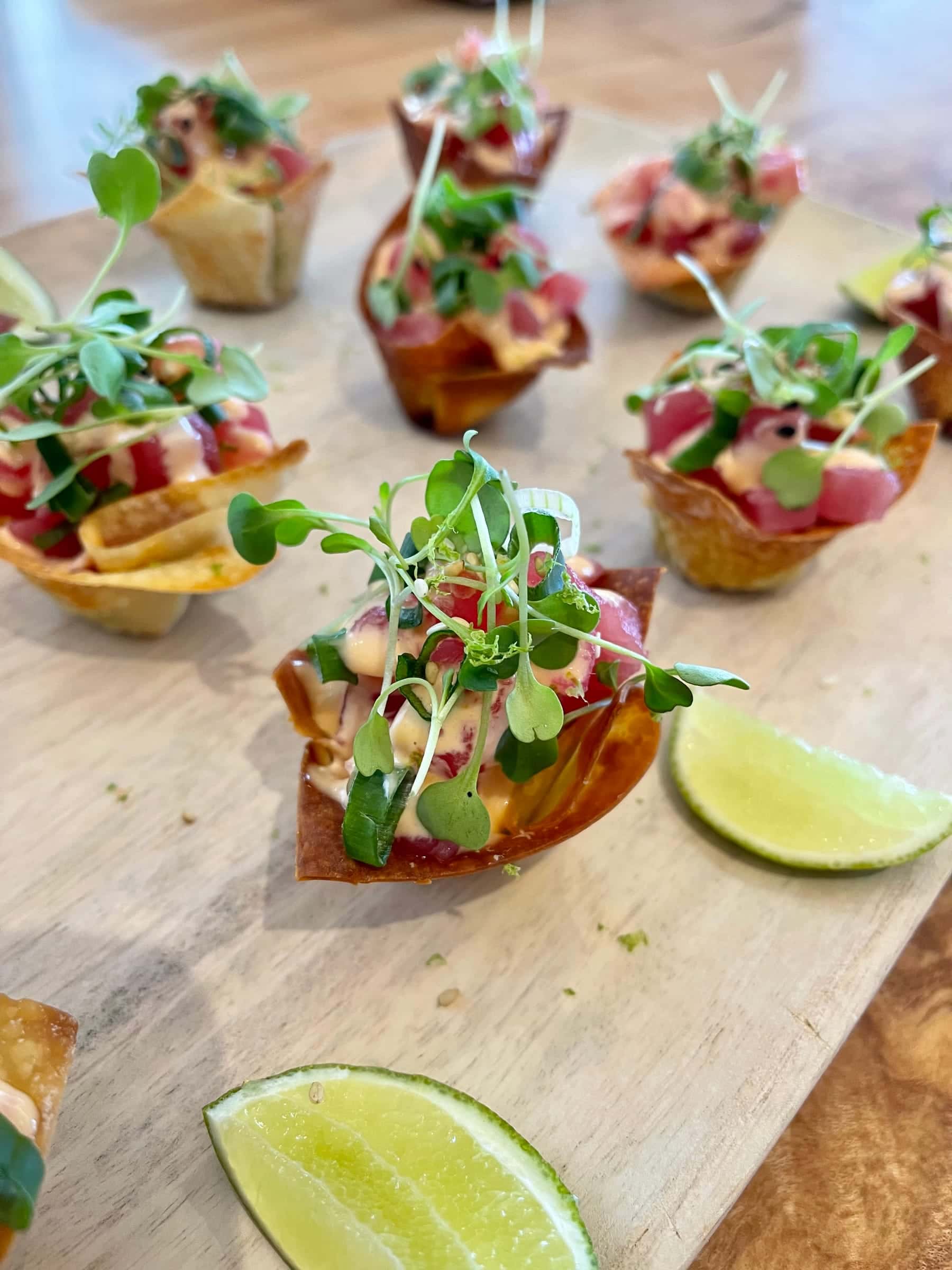
The hour between the ceremony and dinner is when your guests are standing, drinking, and mostly have not eaten since breakfast. It is also the only stretch where the whole room mixes, which makes it the part people describe afterwards.
We plan four to six pieces per guest for a one-hour reception before a full dinner, across four or five varieties — one seafood or premium bite, one rich warm bite, one genuinely good vegetarian bite, one familiar, and one bright enough to cut through the rest. More than that is a second dinner nobody has room for, thrown away at the end of the night.
Dietary needs, designed in
Vegetarian, vegan, gluten-conscious, nut allergies, and kosher-style menus are things we build regularly. Raised at the first conversation they cost almost nothing; bolted on the week before, they cost a scramble and usually show on the plate.
The standard we hold: a guest with a restriction gets a plate that looks like it belongs at the wedding. Not the meat plate with the protein removed, and not a side salad while everyone else eats dinner. If you tell us their names, a safe tray finds those specific people at cocktail hour rather than leaving them to interrogate every server in the room.
Staffing, and why it is the line not to cut
Understaffing does not show up at the tasting. It shows up as a forty-minute buffet line, cold food at table twelve, and glasses nobody has cleared by the time the speeches start. It is the most common reason a genuinely good menu is remembered as a bad dinner.
- Plated service
- About one server per ten to twelve guests, so a 140-guest wedding runs twelve to fourteen on the floor. That ratio is what lets a whole table be served at once rather than in waves.
- Buffet
- About one per twenty, plus attendants on the line. The saving over plated is real, and it is the main reason a buffet quotes lower.
- Family-style
- Close to the plated ratio. Every table needs platters delivered, watched, and cleared, which is more work than it looks.
- Stations
- Depends on how many you run. Most need their own attendant, which is why four stations is a different quote from one buffet.
One person runs the floor. They arrive before the flowers, they have walked your venue, and they are the person your planner talks to all night — not you.
The day, roughly
- Load-in, four to six hours ahead. Longer for a venue with no kitchen, because the kitchen is arriving on a truck.
- Passed bites the moment the ceremony ends — not once the room fills. Your first guests arrive thirsty and empty, and waiting for a crowd is how the bar gets ahead of the food.
- Something circulating during portraits. The wedding party disappears and the guests do not; that stretch is when a room goes flat.
- Dinner on the timeline you signed off a month earlier, run against the venue's curfew rather than against the speeches.
- Breakdown after the last guest. We leave the room the way we found it, and somebody from your side knows where the leftovers went.
Venues we work in
- Full-kitchen venues, where we can finish and plate on site — the widest menu range available.
- Private homes and estates, which are raw-space weddings wearing a nicer outfit: we bring the kitchen, and the power plan matters as much as the menu.
- Waterfront lawns and beach-adjacent properties, where wind and heat are design inputs rather than footnotes.
- Boats and dockside, where space and open-flame limits push the menu toward chilled seafood, ceviche, and composed plates — which is what people want to eat down here anyway.
- Clubs and gated communities, which set their own vendor rules on insurance, access, uniform, and end times. Send us theirs and we will build the timeline around them.