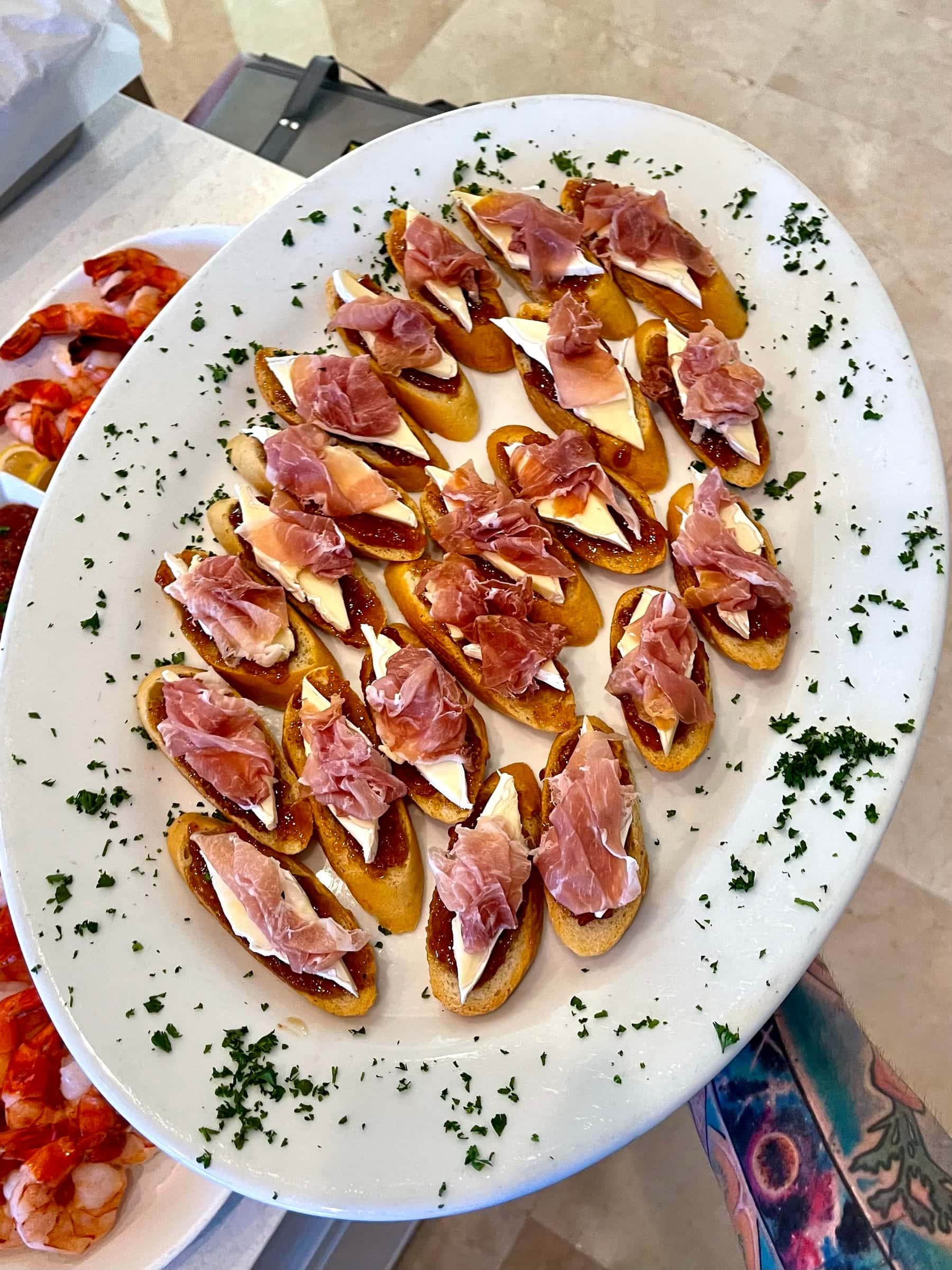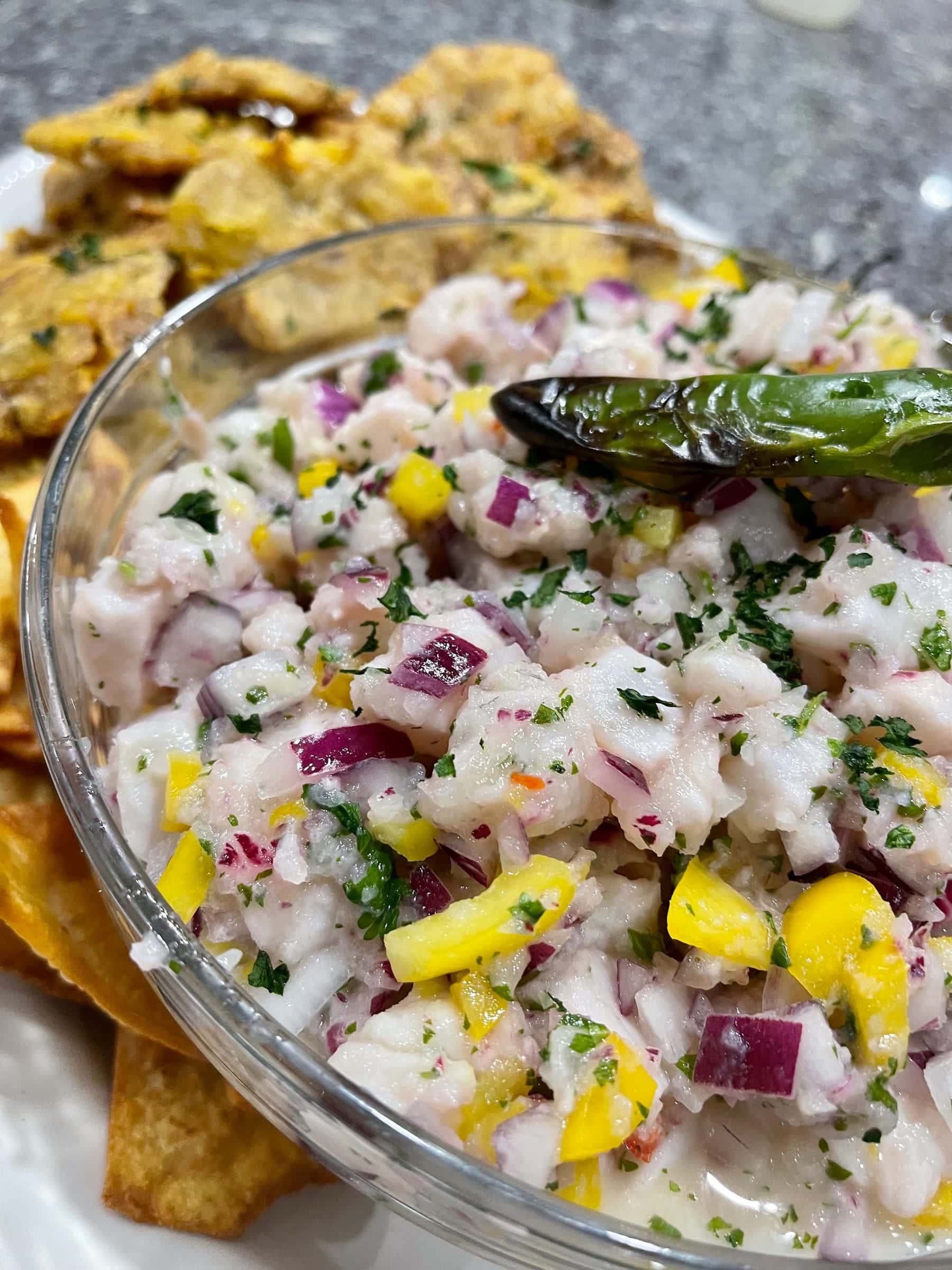

Sand is not a floor, wind is not a breeze, and a beach wedding is a logistics problem with a beautiful view. Here's how it's done properly.
South Palm Beach County is where couples most often say the words 'we want it on the beach'. It is a good instinct — the coastline through Delray and Boca is genuinely beautiful, and an evening ceremony with the light coming off the water is hard to beat.
It is also the format that most reliably surprises people once the catering conversation starts. So here is the honest version, followed by the two formats that get you most of the feeling with a fraction of the problem.
What a beach wedding actually requires
Permits, and who issues them
Public beach in Florida is not a free venue. Most municipalities require a permit for a ceremony, and the rules on chairs, structures, amplified sound, alcohol, open flame, and how many people may gather vary from one city to the next — sometimes from one beach access to the next. Delray and Boca each set their own. Start with the city's parks or special events office for the specific stretch of sand you have in mind, and do it before you fix the date, not after.
The part that catches couples: many public beaches permit the ceremony but not the reception, and the rules around serving food and alcohol on the sand are often stricter than the rules around standing on it. Assume the dinner happens somewhere else until a permit says otherwise.
Sand is not a floor
Every piece of catering equipment is designed to roll on a hard, level surface. Sand is neither. Chafing stands sink, tables wobble, table legs need plates under them, and a loaded cart does not move at all. What that means in practice is more staff, more time, and often a temporary floor — which is a rental line with a real number attached.
Wind is the underrated one
The onshore breeze that makes a beach evening pleasant is the same breeze that lifts a linen, empties a tray of passed canapés, extinguishes every open flame, and carries sand into anything left uncovered. Beach service is designed around wind or it is designed badly.
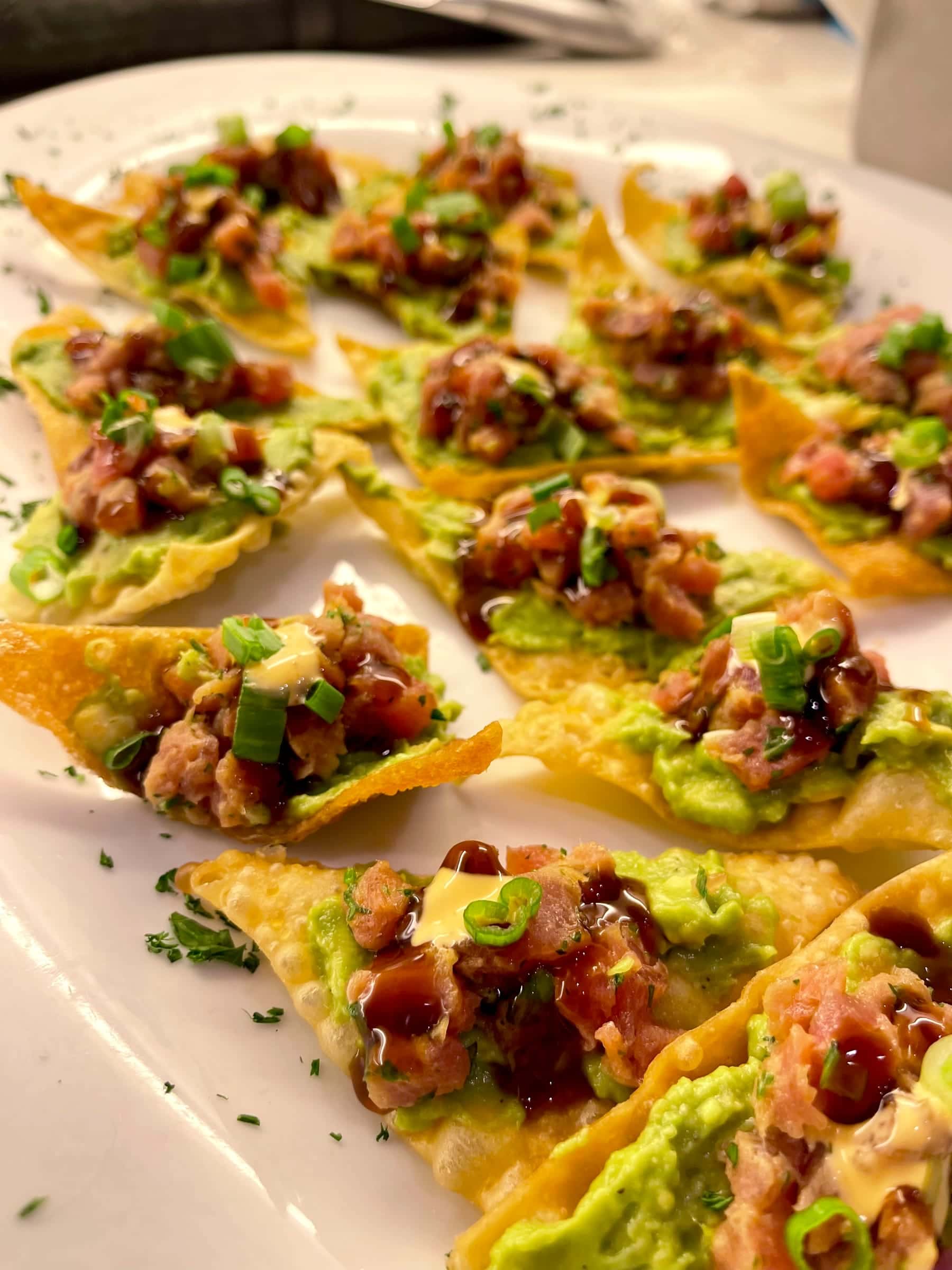
- Covered and enclosed bites travel far better than open plates. A wonton cup, a tostone, a filled leaf, anything with structure.
- Chafing fuel and candles are unreliable outdoors. Plan for cold and ambient-temperature service rather than fighting it.
- Linens need weighting, and stemware needs a heavier base than it does indoors.
- Anything dressed at the last moment gets dressed under cover, then carried out.
Heat, sun, and the food safety clock
Direct sun on a Florida afternoon shortens how long food can safely sit out, and it does it faster than most people expect. That is a hard constraint, not a preference. It is the reason a good caterer will push a beach reception later into the evening, keep cold product genuinely cold until the last moment, and refuse to leave a raw bar unattended in the sun. Shade for the service area is not decoration.
Delray Beach: walkable, and that matters
Delray's character is that Atlantic Avenue runs from downtown to the ocean and the whole thing is walkable. For a wedding that translates into something genuinely useful: guests can stay near the venue, walk to a welcome party, and get themselves home without anybody organising transport. It makes multi-event weekends easy in a way that spread-out places are not.
Two catering consequences. First, the welcome party and the day-after brunch are much more likely to actually happen here, so it is worth planning them as part of one food conversation rather than three. Second, downtown load-in is a city load-in — street parking, restricted service access, and delivery windows. Fine when it is planned, tedious when it is discovered.
Boca Raton: clubs, gates, and lists
Boca skews toward country clubs, private communities, resort properties, and large private homes. The pattern that repeats: the property has rules, and the rules are set well above the person you are talking to on the day.
- Approved or exclusive vendor lists are common. Find out which applies before you fall in love with a room, because it may decide who caters your wedding for you.
- Guard gates need vendor details in advance, often several days in advance.
- Insurance certificates naming the property are routinely required. Any established caterer can produce one; it just needs asking for early.
- Service entrances, load-in windows, uniform standards, and hard end times are usually specified. Collect them in writing and hand them to every vendor at once.
A coastal menu that behaves
The good news is that the food this coast wants to eat is also the food that survives being served here.
- Lean into chilled
- Ceviche, tartare, chilled shrimp, composed cold plates. They are what people want in this heat, they photograph beautifully, and they are not fighting the temperature.
- Citrus and acid over cream
- Bright food tastes better in humidity and holds better in it. A cream-based sauce outdoors in August is working against you twice.
- Structure over garnish
- Bites that hold together in a breeze. Cups, cones, leaves, tostones, skewers — anything a guest can carry across sand in one hand while holding a drink in the other.
- Finish under cover
- Crisp elements and last-minute dressing happen in the prep area, not on the pass in the open air. Then they are carried out and served immediately.
And the small thing that guests remember more than any dish: cold water, visibly available, everywhere, from the moment they arrive. At an outdoor wedding in this county it is not hospitality, it is basic care.