
Six pieces per guest, four or five varieties, and one rule about the raw bar. What a cocktail hour needs — and what it does not.
Cocktail hour is the most underestimated hour of a wedding. Your guests have just sat through a ceremony, they are standing, they are drinking, and most of them have not eaten since breakfast because they were getting ready. It is also the only hour where the whole room is mixing, which makes it the part of the night people describe afterwards.
And it is where the food budget gets guessed at hardest — usually too high, occasionally disastrously too low.
The number: pieces per guest
The unit is pieces, not portions. Here is how we plan it.
- One hour, full dinner after
- Four to six pieces per guest. Six is generous. This is the standard wedding shape and the one most couples are planning.
- Ninety minutes, full dinner after
- Six to eight pieces per guest. The extra half hour is where guests get restless, so this is usually the moment to add a grazing table rather than more passed items.
- Cocktail reception instead of dinner
- Ten to fourteen pieces per guest, spread across the whole event, plus at least one substantial station. This is a different event, not a longer cocktail hour.
- Short reception, under 45 minutes
- Three to four pieces. Anything more will not physically get passed in the time available.
How many varieties
Four to five for a standard hour. Six if you are running ninety minutes or have a large guest list with a wide range of tastes. Beyond that you get diminishing returns: guests will not encounter all eight varieties anyway, and each additional item is another prep line, another tray, and another thing to get right.
The composition matters more than the count. A good five looks like this:
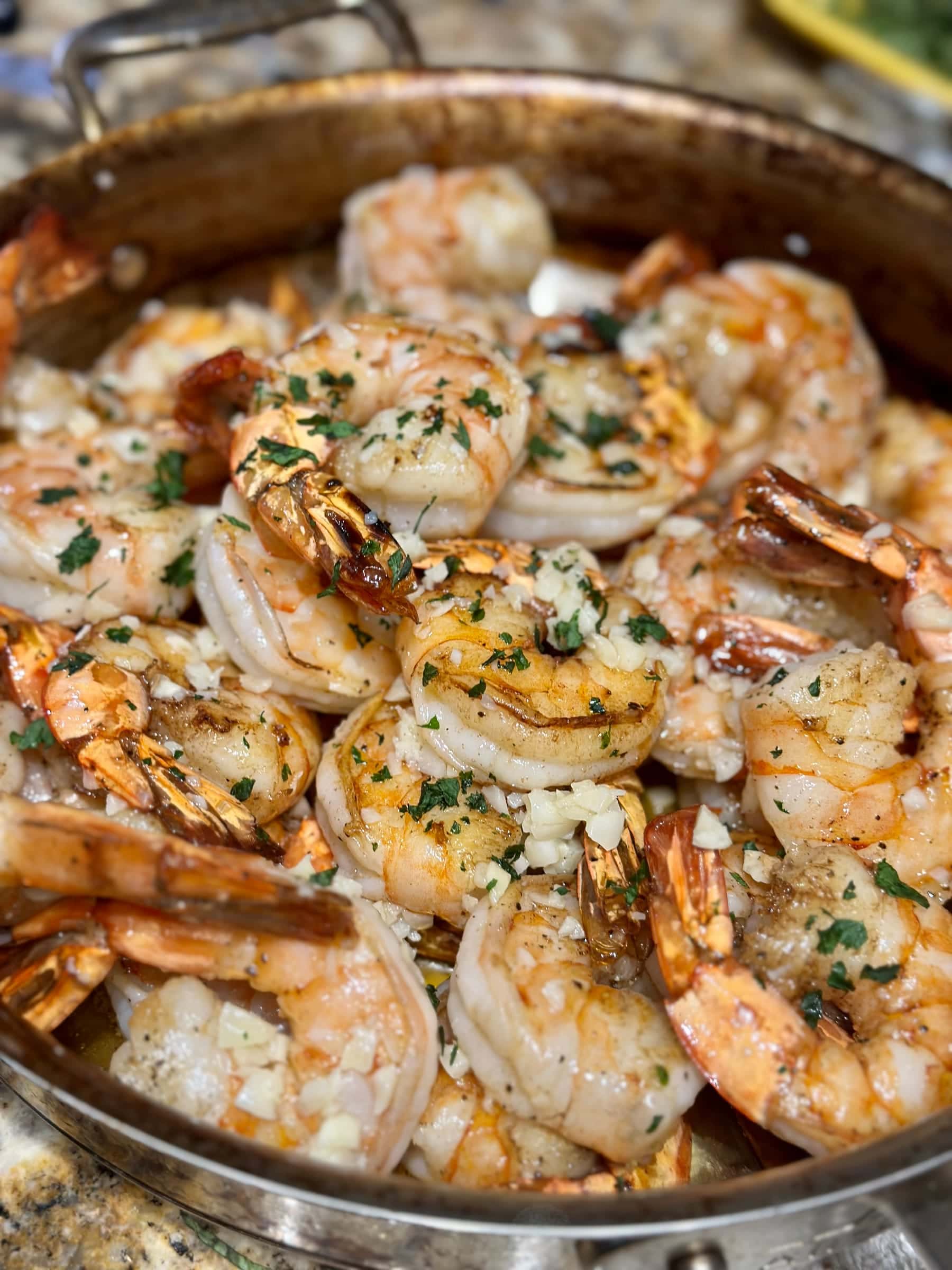
- One seafood or premium bite. This is the one guests notice. Tuna tartare, ceviche in a crisp cup, a chilled shrimp.
- One rich, warm bite. Something braised, fried, or melted. It is the one people take two of.
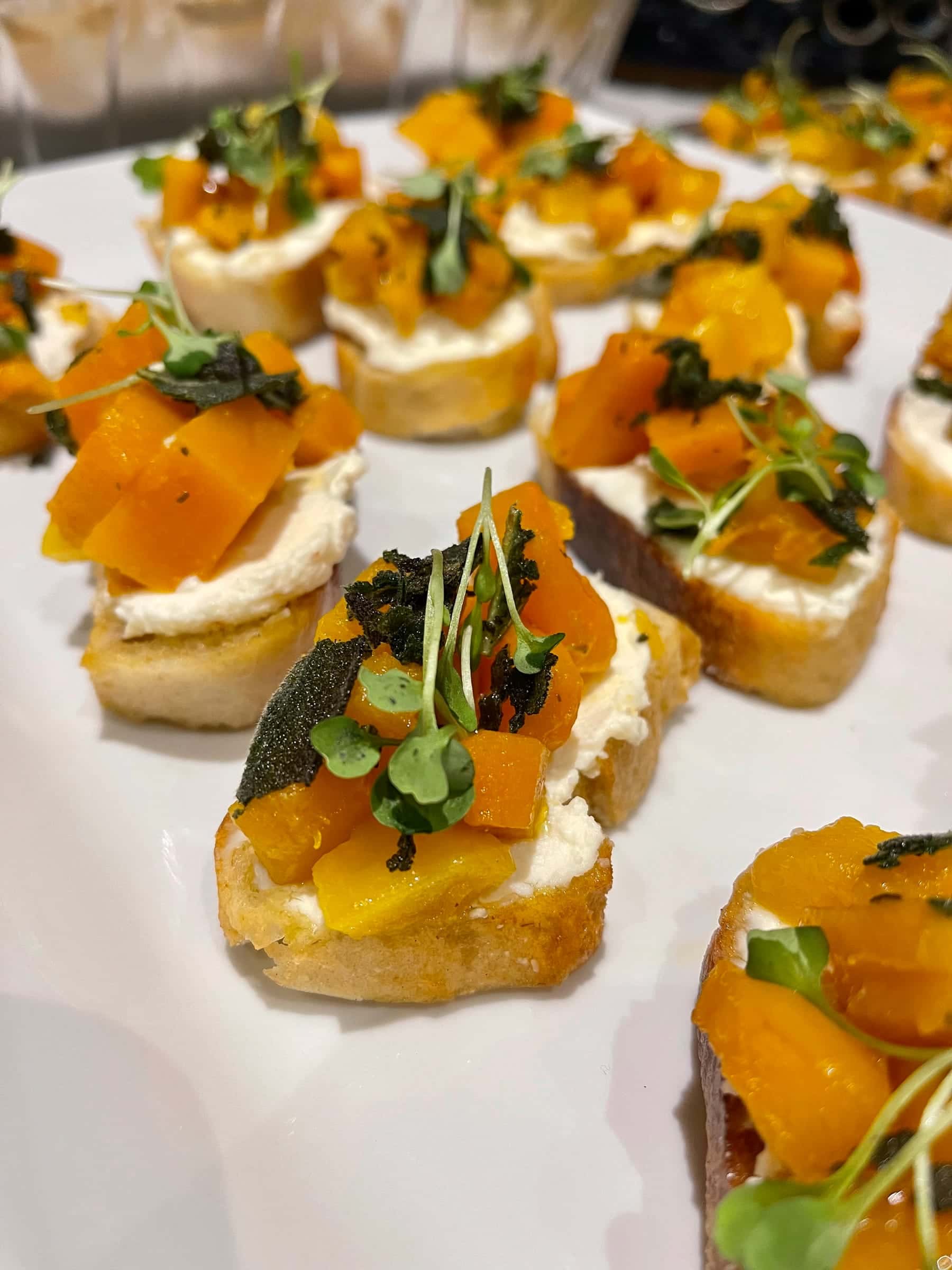
- One vegetarian bite that is genuinely good, not the leftover option. A proper vegetable bite gets eaten by everyone, which is how you know it is working.
- One familiar crowd-pleaser. Not every guest wants to be adventurous forty minutes into a wedding.
- One bright, acidic bite to cut through the rest. Citrus, pickle, or fresh herb.
Passed, stationed, or both
Passed service means servers circulate with trays. Stationed means food sits somewhere and guests go to it. Most good cocktail hours use both, and they solve different problems.
Passed
Better for hot food, better for pacing, and much better for the shy guests standing at the edge of the room who will never walk up to a table alone. It also needs staff — plan on a server per roughly thirty guests circulating, which is a real line on the quote.
Stationed
A grazing table or a cheese and charcuterie display does something passing cannot: it gives the room a visual anchor and a place to stand. It also feeds continuously without labour, which is why a station plus four passed items often beats six passed items for the same money.
Timing the hour
- Food goes out the moment the ceremony ends, not once the room is 'full'. Your first guests arrive thirsty and empty, and waiting ten minutes for a crowd is how the bar gets ahead of the kitchen.
- Pass the two strongest items in the first twenty minutes, while the room is most attentive.
- Keep something circulating during photographs. The wedding party disappears for portraits and the guests do not — that stretch is when a room goes flat.
- Stop passing about ten minutes before dinner is called, so guests arrive at the table hungry.
One more, and it is easily forgotten: feed the couple. Have a plate of everything set aside for you both, somewhere private, during photographs. Almost every couple we have worked with says afterwards that it was the only cocktail hour food they got.
Dietary needs at cocktail hour
Passed food is the hardest part of a wedding for a guest with an allergy, because nothing is labelled and a tray moves fast. Two things fix it. First, make sure your servers know what is on their tray and can answer without guessing. Second, if you have guests with serious restrictions, tell the caterer their names — a good team will make sure a safe tray finds those specific people rather than leaving them to interrogate every server in the room.