
Office lunches on a standing order, plus client dinners and launch events — with the rotation, the dietary list, and the building paperwork handled before they reach you.
Corporate catering is judged differently from every other kind. Nobody at a wedding has eaten your food eleven times before. An office has, and by the third month the question is not whether lunch is good — it is whether anyone still notices. The hard part is not the cooking. It is arriving on time, at a building that makes arriving on time difficult, with something the room has not already had twice.
We cater offices across Palm Beach, Palm Beach Gardens, Jupiter, and Boca Raton: weekly team lunches, all-hands, client dinners, launch and press events, and the all-day offsite where lunch is the only thing standing between the morning session and the afternoon one.
The fourth Tuesday problem
A team eating the same tray every Tuesday stops noticing it is good. This is the real failure mode of recurring catering, and it is quiet — nobody complains, they just start ordering their own lunch and the headcount drifts down until someone cancels the whole thing. The fix is not a bigger menu. It is a rotation that is planned rather than improvised week to week.
- We keep a record of what your office has had, in what order, and what came back untouched. A tray that returns half full is the most useful feedback in catering and it costs nothing to read.
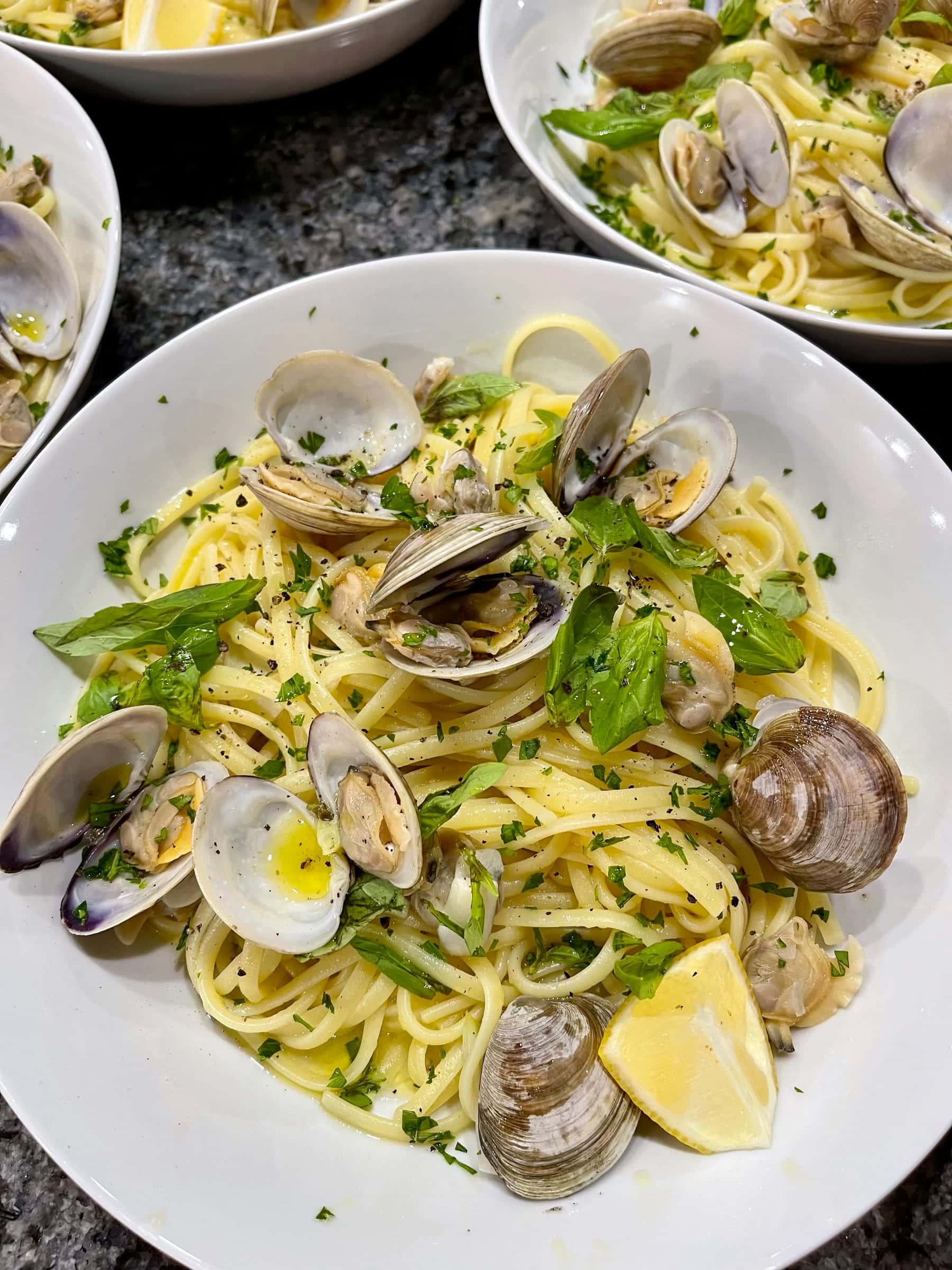
- The protein moves, the format moves, and they do not move together — the same chicken in a sandwich, over a salad, and on a hot buffet is three different lunches, but three chickens in three weeks is one lunch.
- One week in four is deliberately unfamiliar. Not difficult, just not the thing they would have picked. It is what keeps the other three weeks from flattening out.
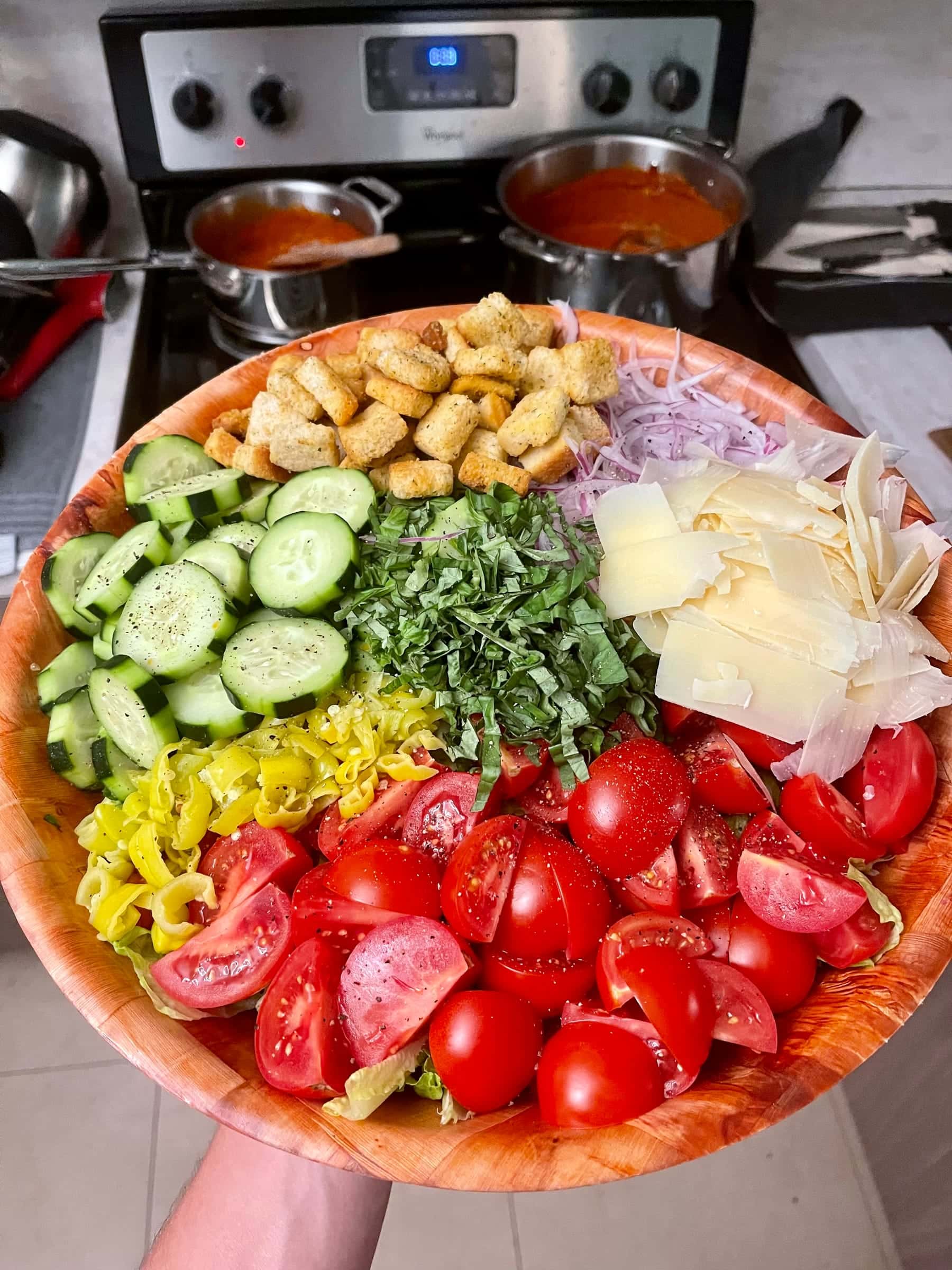
- Something cold and something bright is on every order. Offices are over-air-conditioned and under-vegetabled, and the salad tray is the one that empties first more often than people expect.
- We plan four weeks ahead and show you the plan, so you can veto the week that lands on the day your team is on a client site.
Dietary requirements are a headcount, not a courtesy
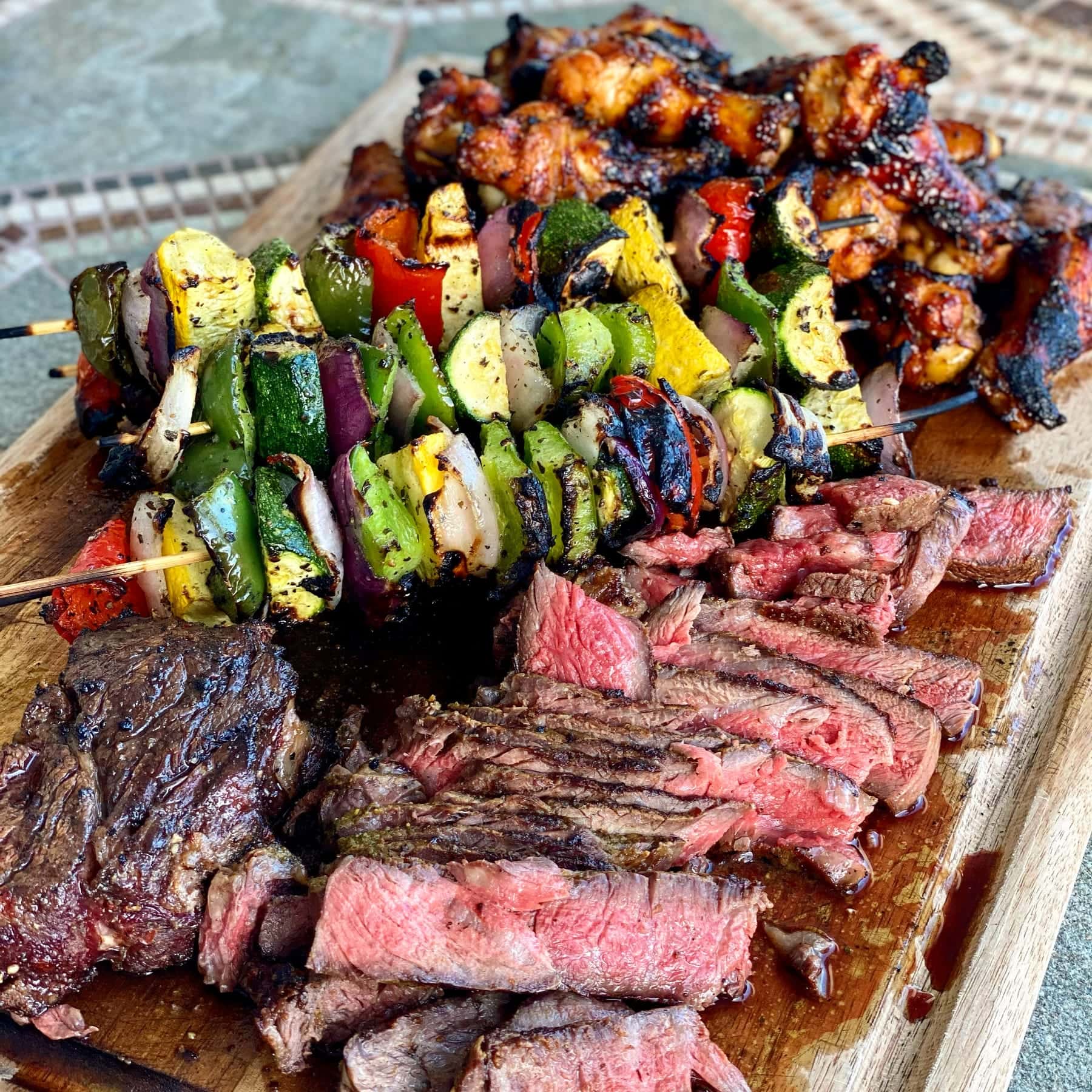
In an office this is not hospitality, it is arithmetic. If four people cannot eat what arrived, you did not order lunch for thirty — you ordered lunch for twenty-six and put four colleagues in the position of standing at a table and finding nothing. Everyone in the room sees it happen, including the person who ordered it. So we treat vegetarian, vegan, gluten-conscious, and allergy meals as portions in the count, built as their own dishes, labeled, and physically set aside rather than placed at the end of a line where the first twenty people will reach them first.
How much food an office actually eats
Office headcounts are the least reliable numbers in catering — the list has thirty names, twenty-four are in the building, and four of those are on a call through lunch. These are the planning figures we work from. They are deliberately not generous; over-ordering an office lunch every week is an expensive habit that nobody notices until the annual number lands.
- Sandwich and salad lunch
- Three sandwich halves per person, two sides, and one dessert per person rather than two. Desk lunches eat less than sit-down lunches; the sides are what actually get finished.
- Entrée salads
- One full portion per person with the protein alongside rather than tossed through, so vegetarians and the person avoiding chicken are not picking their way around it.
- Hot buffet lunch
- Plan about a quarter over headcount on the main, because guests serving themselves are generous with themselves. Around one server per twenty if we are staffing it.
- Breakfast before a morning start
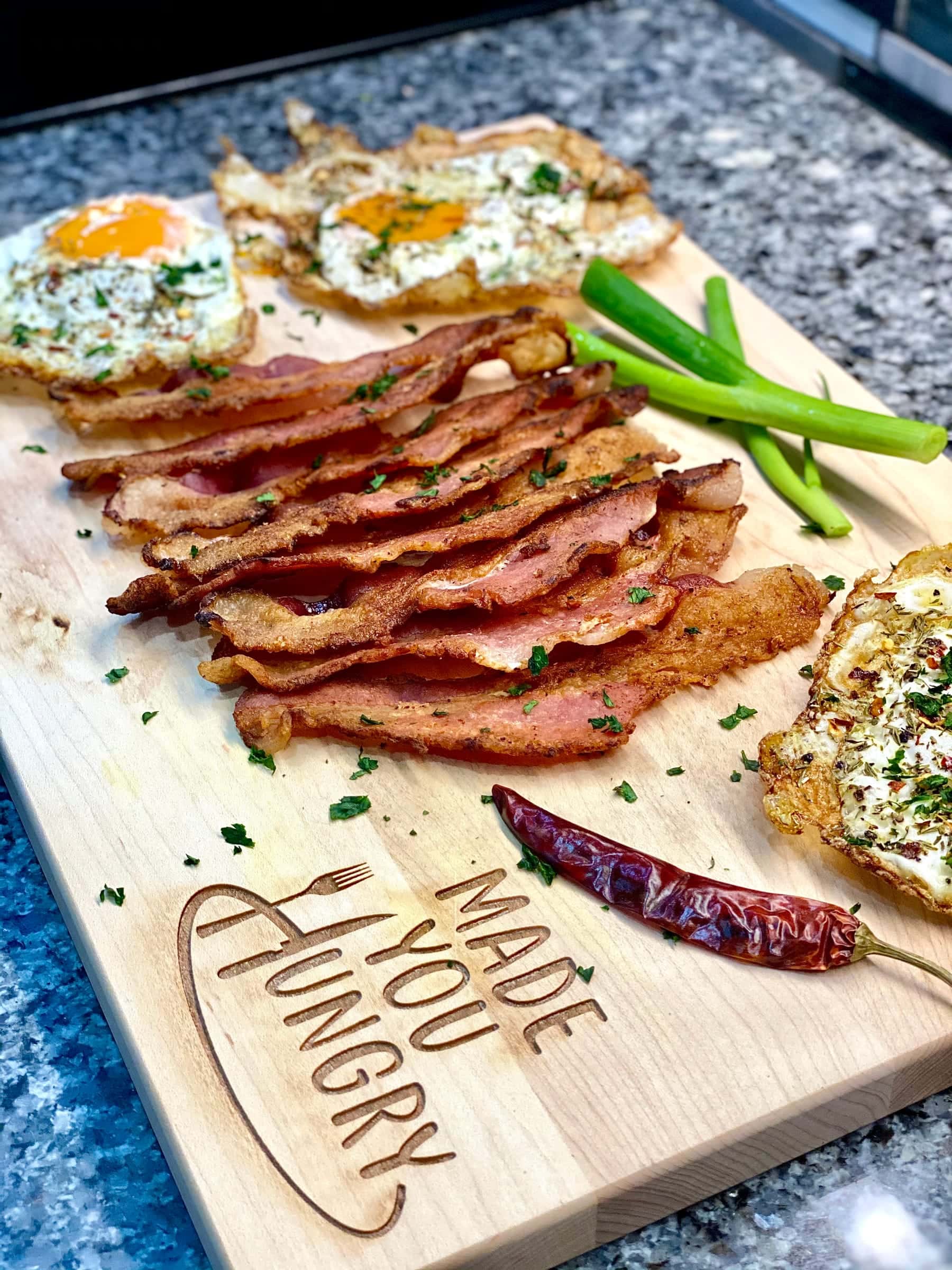
- Roughly half the room eats, and that half eats in the first ten minutes. Delivered forty-five minutes before the meeting or it turns into lunch.
- Passed bites before a client dinner
- Four to six pieces per guest for a one-hour reception, across four varieties. More than that and nobody eats the dinner you paid for.
- All-day offsite
- Lunch, one afternoon break, and more water than anyone plans for. The three o'clock slump is cheaper to feed than to push through.
Getting into your building
More corporate deliveries are ruined by a loading dock than by a kitchen. Commercial buildings in West Palm Beach, Palm Beach Gardens, and Boca Raton all run their own rules, and the rules are enforced by someone who has never heard of your meeting. This is the list we work through before the first delivery.
- Certificate of insurance, naming the building owner and management company as additional insured. This is the single most common reason a caterer is turned away at the desk, and it is issued in days rather than hours — so it is the first thing we ask for, not the last.
- Loading dock hours, and whether the dock is shared with the building's trash pickup at the exact time your lunch arrives.
- The service elevator: whether it must be reserved, whether a freight operator is required, and whether it is embargoed for a move-in on another floor that week.
- The delivery window security will honor, and the name of someone who can sign us in when reception is at lunch — which, at a lunch delivery, reception often is.
- Where boxes and chafer fuel get broken down and disposed of. Most buildings do not want either in the passenger elevator.
Where that constrains us, we will say so before you book rather than on the day. A building with no dock and one passenger elevator at noon caps how much hot food we can move in a single trip, which usually means an earlier delivery or a menu built to hold. A floor with no water and nowhere to plug in a chafer is not a hot buffet floor, and we would rather build toward food that is genuinely good at room temperature than serve a lukewarm version of something that should have been hot. And no certificate of insurance can be issued the morning of your event, by us or by anyone.
Client dinners and launch events
The other half of corporate catering is the night the company is being looked at — a client dinner, a launch, a press preview, an office anniversary that half the leadership team will attend. These are closer to a wedding than to a Tuesday lunch in everything except the timeline, which is usually shorter and harder. The food has to be finished in a room that was a conference room an hour ago and will be a conference room again tomorrow morning.
Staffing runs the same as anywhere else: roughly one server per ten to twelve guests plated, one per twenty on a buffet, plus a captain once the room is over about sixty. Offices are harder to serve than restaurants because there is one door, no back of house, and no service corridor — so the first thing we ask for is a room we can stage in. An empty office, a storage room, a corner of the pantry. That single decision is most of the difference between service that feels quiet and service that happens in front of your clients.
Invoicing, and nobody chasing it
A standing order is invoiced as a period rather than as a receipt per delivery, which is the difference between your office manager forwarding twelve emails to accounting and forwarding one. If your finance team needs a purchase order number on the invoice or a W-9 on file, ask at the start — that is paperwork, not a negotiation, and it is far easier to set up before the first delivery than to retrofit in month three. Changes go to the same person every time: headcount up, a week skipped for a holiday, a Tuesday moved to Wednesday because the client flew in.