
Vertical venues, service elevators, drawbridges and I-95. What changes when the event is an hour south of the kitchen.
We are based in West Palm Beach and we cater across Broward and Miami-Dade regularly. Working south changes two things about the job that are worth being upfront about: the venues get taller, and the drive gets longer. Everything else follows from those two facts.
Vertical venues
North of here, a difficult venue usually means a field with no kitchen. Down here it usually means the twenty-eighth floor. Rooftops, condo amenity levels, penthouse terraces, and hotel ballrooms are the dominant event stock, and they bring a specific set of constraints that have nothing to do with food.
- The service elevator is the whole logistics plan. Its dimensions decide what equipment can physically reach the event, its availability decides the load-in schedule, and it usually has to be reserved. A caterer who does not ask about it early is going to have a problem with it late.
- Buildings run their own vendor rules: certificates of insurance naming the building, approved load-in hours, loading dock reservations, and a route from the dock that may not be the route guests take.
- Rooftops are windy. Consistently windier than the street, and more than people expect. It is the same design problem as a beach — enclosed bites, weighted linens, no reliance on open flame.
- Terraces and amenity decks often have real weight limits and no back-of-house at all. The prep area may be a corridor, and the menu has to respect that.
- Hard end times are common and they are enforced, because residents live there. Build the timeline backwards from the curfew.
Water, everywhere
Fort Lauderdale's canal network and the Intracoastal running the length of both counties mean a huge share of the good venues are waterfront, and a meaningful share are on the water itself. Two consequences.
First, drawbridges. The Intracoastal crossings open on schedules, and a raised bridge is not something a schedule can be argued with. Any timeline that has a vehicle crossing one is padded for it, and any route that can avoid one, does.
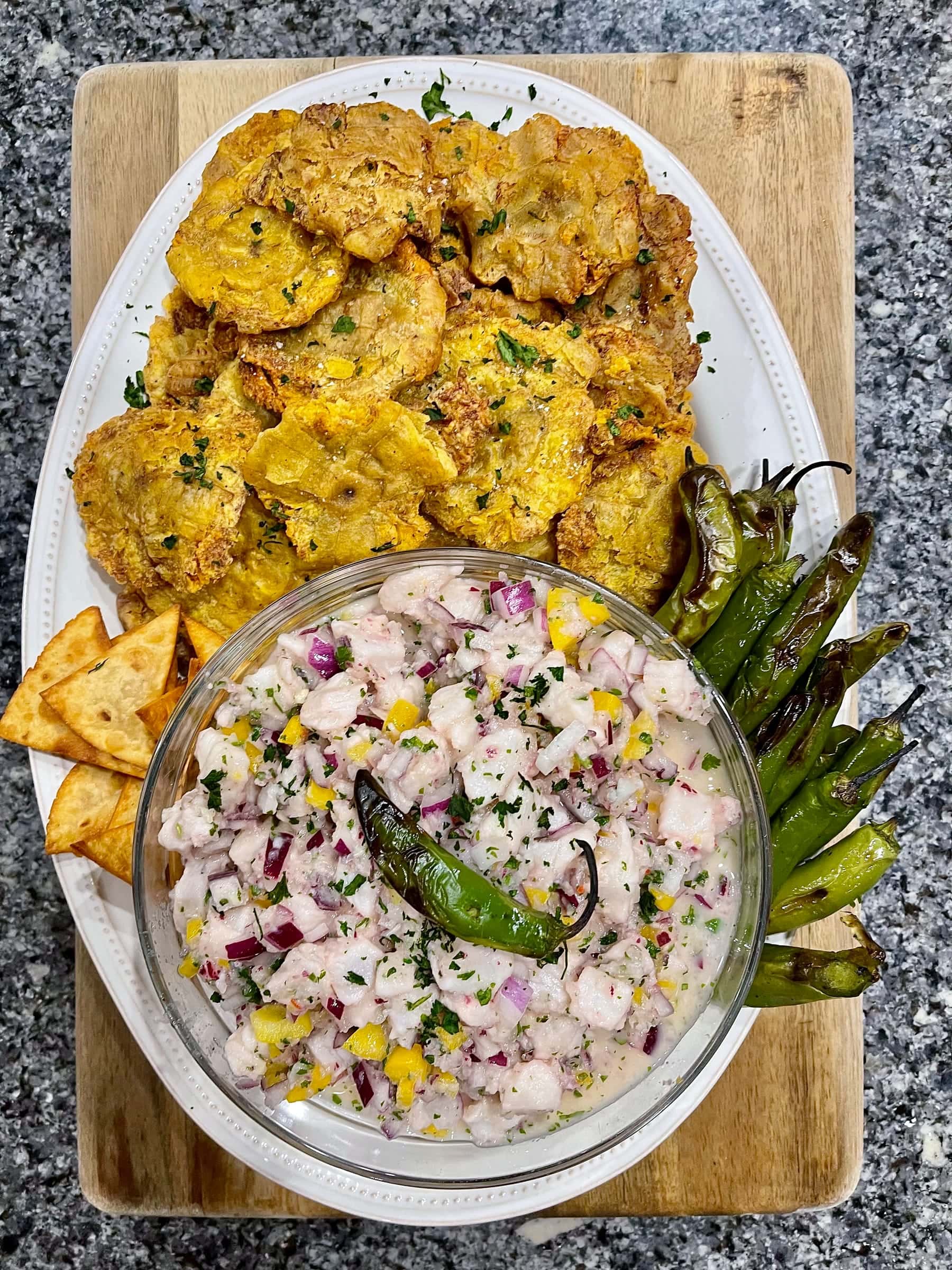
Second, boats and docksides are genuinely in play down here in a way they are not in most of the country. The constraints of cooking on a vessel are real — finite space, weight limits, and usually no open flame — which pushes the menu toward chilled seafood, ceviche, composed plates, and boards. That is not a limitation in this climate. It is what people want to eat anyway.
The drive is part of the job
West Palm Beach to Miami is an hour and a half in the best conditions and considerably more at the wrong time on a weekday. I-95 and the Turnpike are both capable of turning a comfortable schedule into a tight one.
How we handle it, and what to expect from any caterer working across county lines:
- Load-in is scheduled off worst-case traffic, not typical traffic. Arriving early and waiting is the plan.
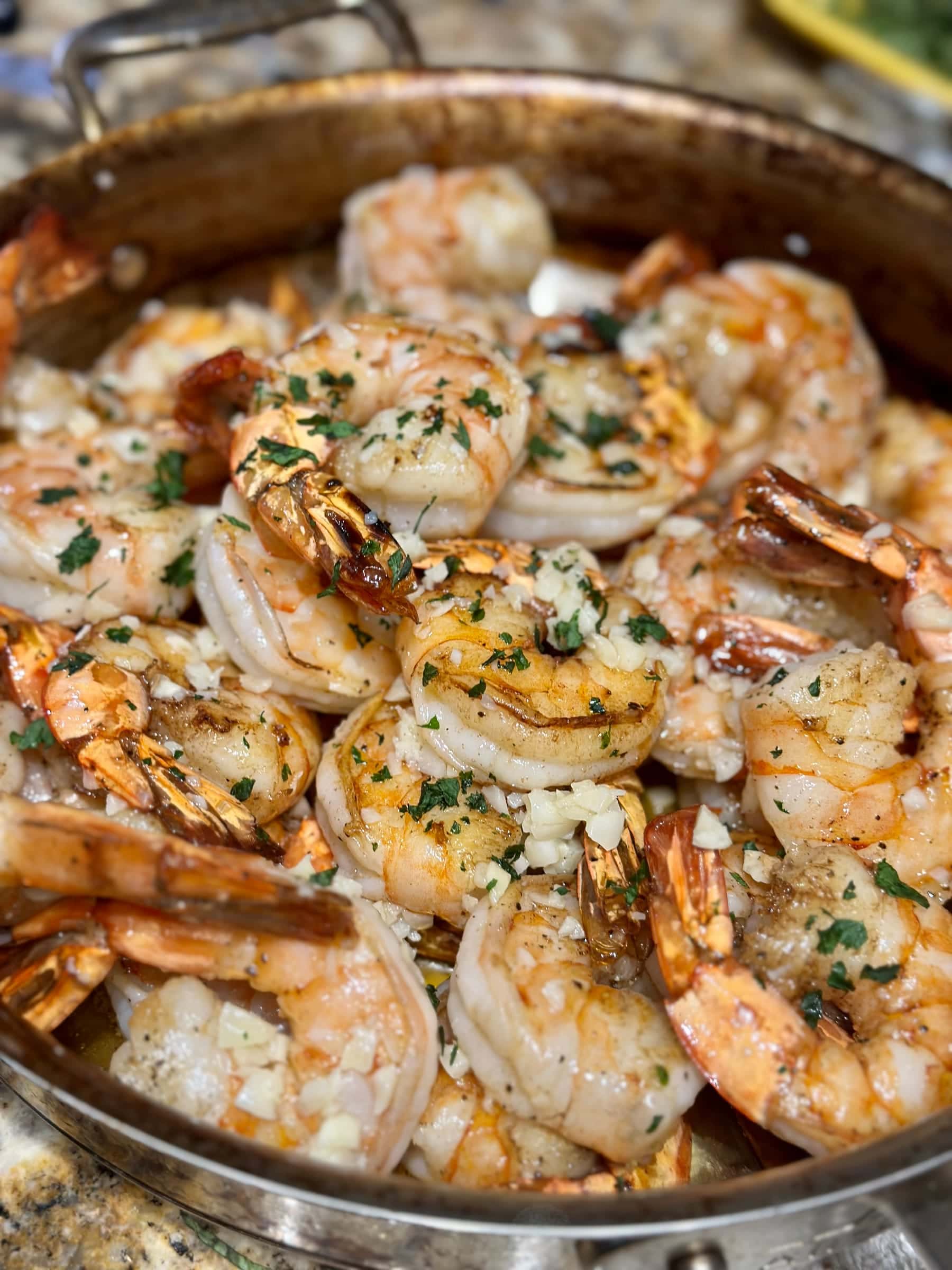
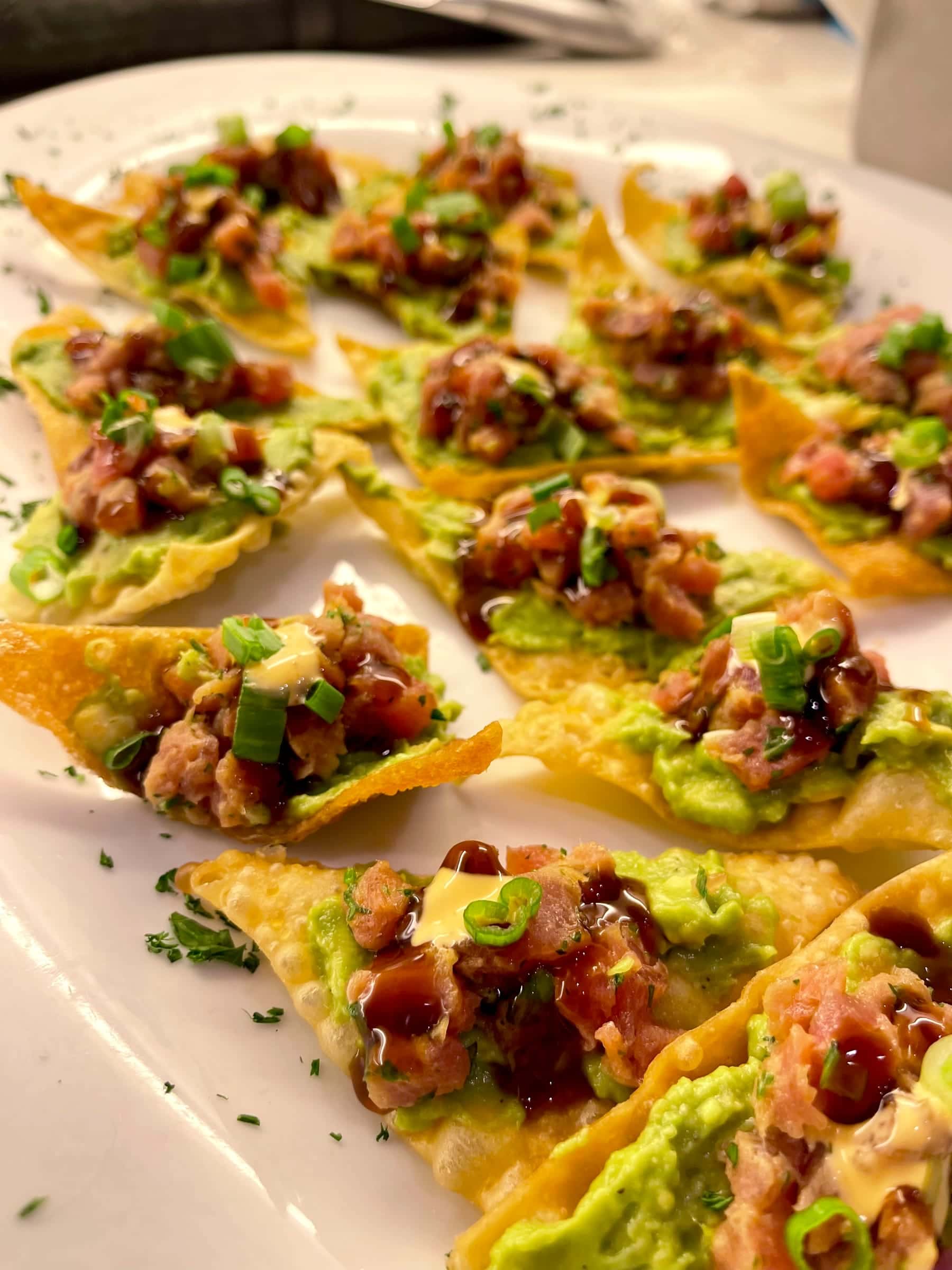
- Menus for distant events favour dishes that finish on site rather than travel finished. A braise reheats beautifully; a delicate crisp does not survive ninety minutes in a truck.
- There is a travel and delivery line on the proposal, and it should be visible rather than buried in a per-person figure.
- Staff travel time is real time. It is one of the reasons a Miami event costs more from a Palm Beach kitchen than the same event in Palm Beach — and a good reason to ask any caterer where they are actually based.
Cooking for the crowd
Miami-Dade and Broward are among the most genuinely multicultural food regions in the country, and the guest lists reflect it. Two things follow.
The first is that the bar for Latin and Caribbean food is high, and it should be. Doing a passable version of a dish half the room grew up eating is worse than not serving it. When we build a cultural menu we build it properly with the family it belongs to, rather than approximating it — that is a genuine service, not a menu category.
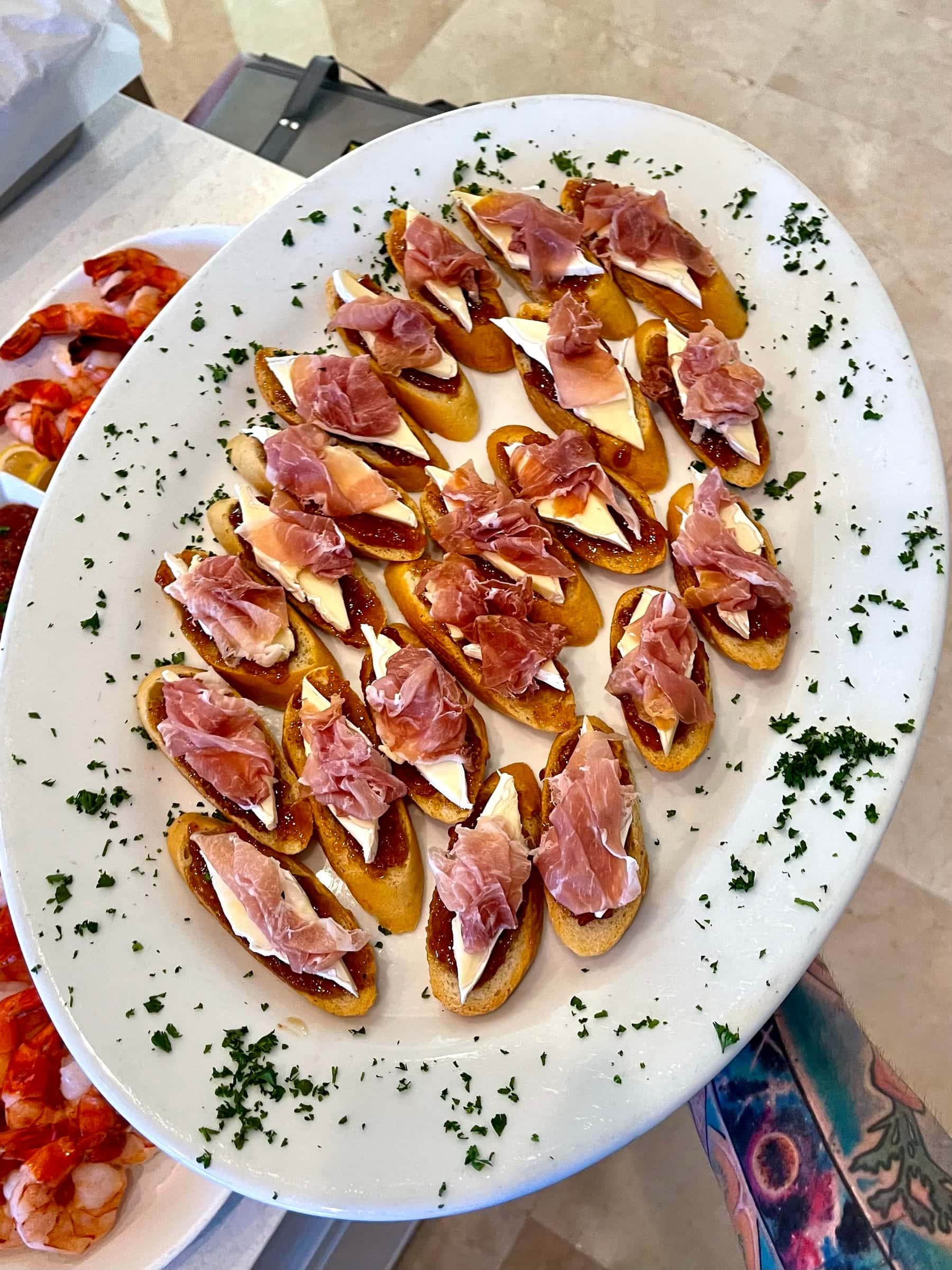
The second is that stations and cocktail-style receptions work exceptionally well here. They let two or three cuisines sit side by side without the menu reading as confused, they keep a room moving, and they suit a crowd that would rather be up and talking than seated for two hours. If your guest list spans several food cultures, that format solves more problems than any single menu can.
“We utilize both fresh local and global imports to ensure our dishes satisfy any palette.”
Corporate work, which is most of it
Not everything down here is a wedding. Broward and Miami-Dade generate a steady volume of client dinners, office lunches, launch events, and holiday parties, and the catering job is different in one specific way: the food has to be good without anyone having to think about it.
- Office drop-off has to arrive ready to serve and survive an hour on a conference table without a caterer standing over it. That is a menu design decision, made in advance.
- Recurring lunches need genuine rotation. A team eating the same tray every Tuesday stops noticing that it is good.
- Dietary requirements at a corporate event are not optional courtesy — somebody's colleague is going to be left with nothing, and everyone will notice.
- Building access rules apply exactly as they do for a wedding. Certificate of insurance, loading dock, service elevator, delivery window.